
Gaza news dominates headlines, painting a complex picture of a region grappling with enduring conflict, humanitarian crises, and persistent socio-economic challenges. This report delves into the multifaceted realities of life in Gaza, exploring its historical context, current events, and the urgent need for sustainable solutions. We examine the political landscape, the impact of blockades, the state of infrastructure and development, and the daily struggles faced by the Gazan people. Through analysis of economic conditions, social issues, and the healthcare and education systems, we aim to provide a nuanced understanding of the ongoing situation.
From the historical roots of the conflict to the current humanitarian crisis, we will trace the evolution of events, examining the roles of key players, the impact of international relations, and the hopes for a peaceful and prosperous future. We’ll analyze the challenges faced by aid organizations, the struggles of the civilian population, and potential paths towards lasting peace and development in Gaza.
Historical Context of Gaza
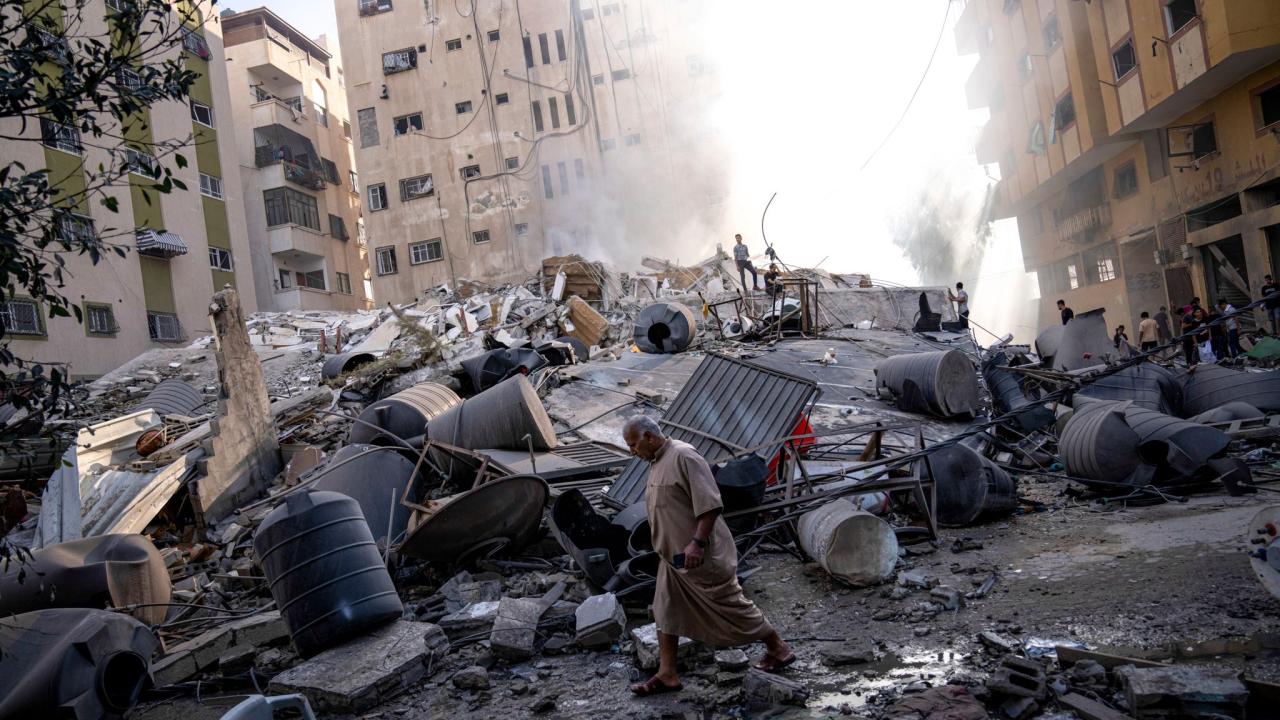
Understanding the current situation in Gaza requires acknowledging its complex and often turbulent history. The region’s trajectory has been significantly shaped by external forces and internal dynamics, resulting in the socio-economic and political realities we see today. This historical context is crucial for comprehending the ongoing conflicts and humanitarian challenges.
Gaza’s recent history is marked by a series of significant events that have profoundly impacted its people and its geopolitical standing. The interplay of various actors – from local Palestinian factions to regional powers and international organizations – has further complicated the narrative.
Significant Events Shaping Gaza’s Recent History
A timeline helps to illustrate the key moments that have defined Gaza’s recent past. These events are interconnected and have cumulatively contributed to the present-day situation.
- 1948: The establishment of the State of Israel following the 1948 Arab-Israeli War resulted in the displacement of a large number of Palestinians, many of whom ended up in the Gaza Strip. This event is foundational to the ongoing conflict.
- 1967: The Six-Day War led to Israeli occupation of Gaza, further solidifying its status as a contested territory.
- 1993: The Oslo Accords temporarily transferred control of parts of Gaza to the Palestinian Authority, initiating a period of relative autonomy, though this was short-lived.
- 2005: Israel’s unilateral disengagement from Gaza saw the withdrawal of Israeli settlers and soldiers. However, Israel maintained control over Gaza’s borders, airspace, and territorial waters.
- 2007: Hamas seized control of Gaza following clashes with Fatah, leading to a de facto division between Gaza and the West Bank.
- 2008-2009, 2012, 2014, 2021: Several major armed conflicts between Israel and Hamas occurred during these periods, resulting in significant civilian casualties and widespread destruction in Gaza.
Key Players and Their Roles
Several key players have shaped Gaza’s recent history, each with their own agendas and interests. Their actions and interactions have profoundly impacted the region’s trajectory.
Recent Gaza news highlights the ongoing humanitarian crisis, with reports of escalating tensions and urgent needs for aid. This situation unfortunately overshadows other important news, such as updates on the Las Vegas Raiders, which you can find at raiders news if you’re interested. Returning to Gaza, the international community’s response remains a key factor in determining the future stability of the region.
- Israel: Maintains control over Gaza’s borders and airspace, and has played a significant role in its political and economic development, often through blockade and military intervention.
- Hamas: The de facto governing authority in Gaza, Hamas’s actions and policies have significantly impacted the region’s stability and its relationship with Israel and other actors.
- Palestinian Authority (PA): While not directly governing Gaza, the PA plays a role in humanitarian aid and diplomacy regarding the territory.
- Egypt: Egypt’s influence on Gaza, particularly through its control of the Rafah crossing, has been significant. Its role in mediating conflicts and providing aid has been notable.
- International Community: Various international organizations and countries have provided humanitarian aid and attempted to mediate conflicts in Gaza. Their influence varies depending on geopolitical circumstances.
Socio-Economic Conditions in Gaza
The socio-economic conditions in Gaza have been severely impacted by the ongoing conflict and blockade. These factors have created a humanitarian crisis characterized by high unemployment, poverty, and limited access to essential services.
The ongoing situation in Gaza demands our attention, with reports of escalating conflict and humanitarian crises dominating headlines. It’s a stark contrast to seemingly less pressing matters, such as the chicago bears news , which, while important to fans, pales in comparison to the gravity of the events unfolding in Gaza. Ultimately, the suffering in Gaza requires immediate global focus and concerted efforts towards peace.
The blockade imposed by Israel and Egypt has significantly restricted the movement of goods and people, severely impacting the economy. This has led to high unemployment rates, limited access to essential resources such as clean water and electricity, and a crippled infrastructure.
The recurring conflicts have further exacerbated the situation, leading to widespread destruction of infrastructure and displacement of populations. The resulting humanitarian crisis requires significant international aid and long-term solutions.
Current Events in Gaza
Recent news from Gaza paints a complex picture of ongoing conflict, humanitarian crisis, and political instability. The situation is dynamic, with events unfolding rapidly and impacting the lives of Gazans in profound ways. Understanding the current events requires considering the interplay of political tensions, economic hardship, and the ongoing impact of past conflicts.
Recent News Headlines
Recent headlines have focused on several key issues. Reports highlight continued clashes between Israeli forces and Palestinian militant groups, resulting in casualties on both sides. The blockade imposed on Gaza continues to severely restrict the flow of goods and people, exacerbating existing economic challenges. There have also been reports on the deteriorating humanitarian situation, including shortages of essential resources like food, water, and medicine. International organizations continue to express deep concern about the well-being of the civilian population. Specific details regarding casualties and the nature of the clashes are frequently reported in major international news outlets and should be referenced for the most up-to-date information.
The Current Humanitarian Situation
The humanitarian situation in Gaza remains dire. Years of conflict, blockade, and internal political divisions have created a complex web of challenges for the civilian population. A significant percentage of the population relies on humanitarian aid for their basic needs. Access to healthcare is severely limited, with shortages of essential medicines and medical equipment. Unemployment is extremely high, and poverty rates remain alarmingly elevated. The limited access to clean water and sanitation contributes to health problems, especially among children. These issues are further compounded by the ongoing political instability and the threat of further escalation of violence.
Challenges Faced by Gaza’s Civilian Population
The challenges facing Gaza’s civilian population are multifaceted and interconnected. The following table summarizes some of the key issues:
| Challenge | Impact | Contributing Factors | Potential Solutions |
|---|---|---|---|
| Blockade | Restricted access to essential goods, limited economic opportunities, high unemployment, food insecurity. | Political tensions, security concerns, internal divisions. | Easing of restrictions on movement and goods, increased international aid, economic development initiatives. |
| Water Scarcity | Limited access to clean drinking water, increased risk of waterborne diseases, health problems. | Over-extraction of groundwater, saltwater intrusion, limited infrastructure. | Investment in desalination plants, improved water management practices, infrastructure development. |
| Healthcare Shortages | Limited access to essential medicines and medical care, high infant and maternal mortality rates. | Blockade, lack of funding, limited medical infrastructure. | Increased international aid, investment in healthcare infrastructure, training of medical personnel. |
| Unemployment | Poverty, social unrest, limited economic opportunities. | Blockade, lack of investment, limited skills development. | Job creation programs, investment in education and skills development, support for small businesses. |
Political Landscape of Gaza

Gaza’s political landscape is complex and highly contested, shaped by a long history of conflict and external influences. The Strip’s governance is characterized by a power struggle between Hamas, which controls the territory, and the Palestinian Authority (PA), based in the West Bank. This division significantly impacts the region’s stability and the daily lives of its inhabitants.
The governing structures in Gaza are primarily controlled by Hamas, a Palestinian Sunni-Islamist fundamentalist organization. Since its victory in the 2006 Palestinian elections, Hamas has established its own administrative bodies and security forces, operating largely independently of the PA. While the PA maintains a limited presence in some sectors, its authority is significantly weakened. This division of power leads to internal political fragmentation and hampers the delivery of essential services.
Governing Structures and Political Factions
Hamas’s rule in Gaza is characterized by a centralized system with limited internal dissent tolerated. The organization’s internal structure dictates policy and governance, influencing all aspects of life from education and healthcare to security and infrastructure. While other smaller factions exist, their influence is negligible compared to Hamas’s dominance. The absence of a truly representative government further complicates the political situation and contributes to the ongoing challenges facing the population.
Relationships with Neighboring Countries
Gaza’s relationship with neighboring countries is primarily defined by the ongoing Israeli-Palestinian conflict. Egypt, which shares a border with Gaza, maintains a complex relationship, balancing security concerns with humanitarian considerations. The Rafah border crossing, the primary link to the outside world aside from Israel, is often subject to closures and restrictions, impacting the movement of people and goods. Relations with other neighboring countries are largely indirect, often mediated through international organizations or other regional actors. The blockade imposed by Israel and Egypt significantly restricts Gaza’s interactions with the wider world.
Main Points of Contention in Regional Political Dynamics
The main points of contention in Gaza’s regional political dynamics center on the ongoing Israeli-Palestinian conflict, the blockade of Gaza, and the division between Hamas and the PA. The blockade imposed by Israel and Egypt restricts the flow of goods and people, contributing to economic hardship and humanitarian crises. The lack of reconciliation between Hamas and the PA prevents the establishment of a unified Palestinian government, hindering efforts towards a lasting peace settlement. Furthermore, regional instability and the involvement of external actors further complicate the situation, making a resolution difficult to achieve. The differing approaches of Hamas and the PA to negotiations with Israel and their varying levels of international recognition also fuel the ongoing tensions.
Humanitarian Crisis in Gaza
The ongoing humanitarian crisis in Gaza is a complex and deeply concerning issue, stemming from a multitude of interconnected factors, primarily the prolonged blockade and recurring conflicts. The resulting impact on the daily lives of Gazans is profound and far-reaching, affecting access to essential services, economic opportunities, and overall well-being.
The blockade, imposed by Israel and Egypt, severely restricts the movement of people and goods into and out of Gaza. This has created a crippling economic situation, hindering development and leaving a significant portion of the population reliant on humanitarian aid. The restrictions extend beyond goods, impacting access to education, healthcare, and even basic necessities like clean water. The cumulative effect of these limitations has led to a humanitarian emergency characterized by widespread poverty, unemployment, and a lack of essential resources.
Impact of Blockades and Restrictions on Daily Life
The blockade’s impact on Gazans’ daily lives is devastating. The severe restrictions on the import of building materials have hampered reconstruction efforts following previous conflicts, leaving many families living in damaged or dilapidated homes. Limited access to electricity and fuel contributes to frequent power outages, disrupting essential services and impacting livelihoods. The restricted movement of people also affects access to education and healthcare, as many individuals struggle to reach medical facilities or educational institutions. The high unemployment rate further exacerbates the situation, leading to widespread poverty and food insecurity. Many families rely heavily on humanitarian aid for survival, struggling to meet their basic needs.
Challenges Faced by Aid Organizations
Aid organizations working in Gaza face numerous challenges in delivering assistance. The blockade itself restricts the flow of humanitarian supplies, creating logistical hurdles and increasing the cost of aid delivery. Bureaucratic processes and security concerns further complicate operations. The frequent escalation of violence and the precarious security situation in Gaza often necessitate the suspension or adjustment of aid programs, jeopardizing the timely delivery of essential assistance. Furthermore, access to certain areas may be restricted, hindering aid workers’ ability to reach vulnerable populations. The limited capacity of local infrastructure and the overall weak economy also pose significant challenges to effective aid delivery and long-term development efforts.
Access to Essential Services in Gaza Compared to Other Regions
| Service | Gaza | Comparable Region (e.g., West Bank) | Comparable Region (e.g., Jordan) |
|---|---|---|---|
| Access to Clean Water | Severely limited; frequent water shortages and poor water quality. | Generally better access, though still challenges in some areas. | Relatively good access to clean water across most of the country. |
| Healthcare Access | Limited access to specialized care; shortages of medical supplies and equipment; high infant and maternal mortality rates. | Better access to healthcare services compared to Gaza, but still facing challenges. | Relatively good access to healthcare with better infrastructure and resources. |
| Education Access | High rates of school dropout; limited educational resources; damage to schools from conflict. | Generally better access to education, but still facing challenges in certain areas. | Good access to education with a well-established education system. |
Note: This table provides a general comparison and the specific data for comparable regions may vary depending on the source and the specific area within the region. The situation in Gaza is significantly more dire than in the comparable regions listed.
Infrastructure and Development in Gaza
Gaza’s infrastructure is severely strained, a consequence of decades of conflict, blockade, and limited resources. This severely impacts the daily lives of its residents and hinders economic development. Addressing these infrastructural deficiencies is crucial for improving living standards and fostering long-term stability.
State of Gaza’s Infrastructure
Gaza’s infrastructure suffers from chronic deficiencies across all sectors. Electricity supply is highly unreliable, with frequent power outages lasting for many hours daily. This is primarily due to the limited capacity of the Gaza Power Plant, coupled with restrictions on fuel imports. Water scarcity is another major challenge. The aquifer is heavily over-pumped, leading to saltwater intrusion and contamination. Sanitation systems are inadequate, resulting in untreated sewage contaminating both the water supply and the environment. The limited access to clean water and sanitation significantly impacts public health, increasing the incidence of waterborne diseases. The overall condition of roads, buildings, and other infrastructure has also deteriorated due to repeated conflicts and lack of maintenance.
Challenges of Rebuilding Infrastructure After Conflicts
Rebuilding infrastructure in Gaza after conflicts presents significant hurdles. The ongoing blockade restricts the import of essential construction materials, delaying and increasing the cost of reconstruction projects. The security situation remains volatile, posing risks to construction workers and hindering access to damaged areas. Furthermore, the limited financial resources available to the Palestinian Authority and international aid organizations constrain the scale and pace of reconstruction efforts. The destruction caused by repeated conflicts often necessitates rebuilding from the ground up, a process that requires substantial funding, skilled labor, and time. The damage is not simply physical; it also includes the disruption of essential services and the loss of economic activity.
Hypothetical Plan for Sustainable Infrastructure Development in Gaza
A sustainable infrastructure development plan for Gaza requires a multi-pronged approach. First, addressing the electricity crisis is paramount. This could involve investing in renewable energy sources, such as solar and wind power, to reduce reliance on imported fuel. Diversification of energy sources would enhance energy security and reduce vulnerability to external factors. Second, improving water management is critical. This includes investing in desalination plants to provide a reliable source of fresh water, implementing water conservation measures, and upgrading the existing water distribution network to minimize water loss. Third, enhancing sanitation systems requires investment in wastewater treatment plants and improved sewage collection networks. This would significantly reduce environmental pollution and improve public health. Fourth, a robust and transparent procurement system for construction materials is crucial to ensure efficiency and prevent corruption. Fifth, international cooperation and financial support are essential for the successful implementation of such a plan. This collaborative effort should involve the Palestinian Authority, international organizations, and neighboring countries. The plan should prioritize community participation and ensure that infrastructure projects are designed to meet the specific needs of the Gaza population. A successful implementation would require sustained commitment and a long-term vision for the development of Gaza.
Gaza’s Economy and Livelihoods
Gaza’s economy is severely constrained by a multitude of factors, primarily the ongoing blockade imposed by Israel and Egypt, recurring conflicts, and internal political divisions. These factors have created a complex and challenging environment for economic activity and severely limited employment opportunities for the population. The resulting economic hardship significantly impacts the overall well-being and quality of life for Gazans.
The main economic activities in Gaza are largely limited by the blockade and security concerns. Agriculture, particularly the cultivation of vegetables and citrus fruits, plays a significant role, although export opportunities are extremely restricted. Small-scale manufacturing and the construction sector, though hampered by material shortages and movement restrictions, also contribute to the economy. The informal sector, encompassing a wide range of activities from street vending to small-scale repair services, provides a significant portion of employment, though often lacking in job security and benefits. Fishing, traditionally a vital industry, is severely restricted by imposed maritime limits, limiting the catch and the livelihoods of many fishermen.
Impact of Conflict and Political Instability on the Economy
Recurring conflicts between Israel and Palestinian factions have had a devastating impact on Gaza’s already fragile economy. The destruction of infrastructure, including factories, businesses, and agricultural lands, disrupts economic activity and leads to significant job losses. The resulting displacement of populations further exacerbates the economic hardship. The blockade, imposed since 2007, severely restricts the import and export of goods, hindering economic growth and limiting access to essential resources. Political instability and internal divisions within the Palestinian territories further complicate the economic landscape, hindering investment and development efforts. For example, the 2014 war resulted in widespread damage to businesses and infrastructure, costing the economy an estimated hundreds of millions of dollars and causing widespread unemployment. The subsequent reconstruction efforts, though important, have been hampered by funding shortfalls and access restrictions.
Economic Disparities within the Gazan Population
The economic situation in Gaza is not uniform across the population. Significant disparities exist between different segments of society. Those employed in the formal sector, even though limited, generally enjoy better working conditions and higher incomes compared to those working in the informal sector. Unemployment rates are particularly high among young people and women, who often face greater barriers to employment. The ongoing blockade and economic hardships have disproportionately affected vulnerable groups, including refugees, the disabled, and those living in poverty. Access to education and skills training also plays a significant role in determining economic opportunities, creating a cycle of poverty for those lacking access to these resources. For example, while some Gazans manage small businesses or work in the limited formal sector, many more rely on humanitarian aid and low-paying, insecure work in the informal economy, creating a vast gap in economic opportunity and living standards.
Social Issues in Gaza
The social fabric of Gaza is significantly strained by the ongoing blockade, conflict, and humanitarian crisis. These factors interact to create a complex web of interconnected social challenges, impacting all aspects of life for Gazans, particularly affecting vulnerable populations like women, children, and the elderly. Understanding these issues is crucial to comprehending the full scope of the humanitarian crisis.
Mental Health Challenges
The constant threat of violence, poverty, and limited opportunities contribute to widespread mental health issues in Gaza. Years of conflict and displacement have left a deep psychological scar on the population. High rates of PTSD, anxiety, and depression are reported, particularly among those who have directly experienced violence or lost loved ones. Children are especially vulnerable, witnessing trauma and facing an uncertain future. Access to mental health services is severely limited, exacerbating the problem. The lack of resources and trained professionals means many suffer in silence, without adequate support or treatment. This lack of access disproportionately affects women, who often face additional societal pressures and limited avenues for seeking help.
Unemployment and Poverty
The blockade and limited economic opportunities have led to extremely high unemployment rates, particularly among young people. This widespread unemployment fuels poverty and contributes to social unrest and instability. The lack of economic prospects forces many to rely on humanitarian aid, creating dependence and hindering long-term development. Women often face additional barriers to employment, including societal expectations and limited access to education and training. The economic hardship disproportionately impacts families, leaving children vulnerable to malnutrition and lack of access to education.
Gender Inequality
While progress has been made in some areas, gender inequality remains a significant challenge in Gaza. Traditional patriarchal structures often limit women’s access to education, employment, and decision-making processes. Early marriage and limited reproductive rights further marginalize women. The ongoing conflict and humanitarian crisis exacerbate these inequalities, as women often bear a disproportionate burden of caring for families in crisis. The lack of legal protections and enforcement also hinders progress towards gender equality.
Access to Education and Healthcare
The blockade and repeated conflicts have severely damaged Gaza’s infrastructure, including schools and hospitals. This limits access to quality education and healthcare for many, particularly in underserved communities. The damage to educational institutions disrupts the learning process, hindering the development of future generations. The limited access to healthcare, especially specialized care, leaves many vulnerable to preventable illnesses and diseases. The shortage of medical supplies and trained professionals further complicates the situation, disproportionately affecting children and the elderly.
Water and Sanitation Issues, Gaza news
Gaza faces a severe water crisis, with limited access to clean and safe drinking water. The existing infrastructure is damaged and insufficient to meet the needs of the growing population. Poor sanitation further contributes to the spread of waterborne diseases, particularly affecting children. The lack of adequate sanitation facilities also poses significant challenges for women and girls, particularly concerning hygiene and safety. The ongoing conflict and damage to infrastructure further complicate the water and sanitation challenges.
Healthcare in Gaza
The healthcare system in Gaza faces immense challenges, severely impacting the well-being of its population. Years of blockade, conflict, and limited resources have created a fragile and overburdened system struggling to meet the basic healthcare needs of the residents. The consequences are widespread, affecting access to essential medicines, medical equipment, and qualified personnel.
The challenges in providing adequate healthcare services are multifaceted and deeply intertwined. The ongoing blockade restricts the import of essential medical supplies and equipment, leading to shortages and impacting the quality of care. The frequent outbreaks of violence and conflict further disrupt services, damage infrastructure, and displace healthcare workers and patients. The limited budget allocated to the healthcare sector, coupled with the high population density and prevalence of chronic diseases, exacerbates the existing strain on the system. Furthermore, the brain drain of skilled medical professionals seeking better opportunities elsewhere contributes to a critical shortage of qualified doctors, nurses, and other healthcare workers.
The Daily Reality of a Gaza Hospital
A typical day at a Gaza hospital is characterized by a constant struggle to provide care amidst overwhelming constraints. Overcrowded wards are commonplace, with patients often sharing beds due to a lack of space. Essential medications and equipment are frequently in short supply, forcing medical staff to make difficult decisions about prioritizing care. The lack of specialized equipment and trained personnel means that many patients requiring advanced medical treatments must seek care abroad, if they can afford it and obtain the necessary permits. Power outages, a frequent occurrence in Gaza, disrupt essential medical services, including life-support systems and laboratory operations. The emotional toll on medical staff is significant, as they grapple with limited resources, the daily trauma of treating patients injured in conflict, and the constant uncertainty surrounding their own safety and security. The cumulative effect of these challenges is a healthcare system perpetually on the brink, struggling to provide even basic care to the population.
Education in Gaza: Gaza News
Education in Gaza, despite the ongoing challenges, remains a vital aspect of life for its residents. The educational system, while striving to provide quality learning, faces significant hurdles due to the protracted conflict, economic hardship, and limited resources. The overall aim is to equip students with the knowledge and skills necessary for future success, but the reality is often far more complex.
The educational system in Gaza broadly follows a pattern similar to other parts of the Arab world, with a focus on Arabic language and Islamic studies alongside core subjects like mathematics and science. Opportunities exist for higher education, both within Gaza and, for some, internationally. However, access to these opportunities is heavily influenced by socioeconomic factors and the prevailing political climate. The limited availability of scholarships and the difficulty in obtaining visas represent significant barriers.
Challenges to Education in Gaza
The conflict in Gaza has had a devastating impact on the education system. The frequent bombardments and closures of schools disrupt the academic calendar, leading to learning loss and a sense of insecurity among students and teachers. Schools have been damaged or destroyed in past conflicts, requiring extensive repairs and reconstruction, which often strains already limited resources. Furthermore, the blockade imposed on Gaza restricts the import of essential educational materials, including textbooks, stationery, and technology, further hindering the learning process. Poverty exacerbates these issues, with many families struggling to afford school supplies, uniforms, and transportation for their children. This often leads to higher dropout rates, particularly among girls. The psychological impact of living under constant threat of violence also significantly affects students’ ability to focus and learn effectively. The trauma experienced by children directly or indirectly affected by conflict can lead to learning difficulties and emotional distress, necessitating specialized support that is often unavailable.
A Typical School Day in Gaza
A typical school day for a child in Gaza begins early, often before sunrise, to allow for travel to school. Many students walk long distances or rely on overcrowded public transportation, facing risks associated with traffic and potential security concerns. Classes are typically crowded, with limited resources and infrastructure. Textbooks may be old or in short supply, and access to technology, such as computers and the internet, is minimal. The curriculum may be disrupted due to power outages or school closures resulting from conflict or security concerns. During the school day, students may experience interruptions due to air raid sirens or the sounds of conflict, creating a constant sense of anxiety and uncertainty. Lunch may consist of simple, inexpensive food brought from home, reflecting the limited financial resources of many families. After school, many students contribute to household chores or engage in income-generating activities to support their families, limiting their time for studying or extracurricular activities. The constant stress and challenges faced by children in Gaza significantly impact their educational experience and their overall well-being.
International Relations and Gaza
Gaza’s precarious situation is inextricably linked to the complex web of international relations. The involvement of various international organizations, coupled with the diverse and often conflicting positions of individual nations, shapes the political, humanitarian, and economic realities within the Strip. Understanding these dynamics is crucial to comprehending the ongoing challenges faced by Gaza’s population.
The role of international organizations in Gaza is multifaceted and often fraught with challenges. These organizations provide vital humanitarian assistance, monitor human rights, and attempt to mediate between conflicting parties. However, their effectiveness is frequently hampered by access restrictions, security concerns, and the complexities of the political landscape.
The Role of International Organizations in Gaza
International organizations, such as the United Nations Relief and Works Agency for Palestine Refugees in the Near East (UNRWA), play a critical role in providing essential services to the Palestinian refugee population in Gaza. UNRWA’s efforts include distributing food aid, providing healthcare, and managing education programs. Other organizations, including the World Health Organization (WHO) and various NGOs, contribute to humanitarian efforts, focusing on areas like healthcare, water sanitation, and infrastructure development. The effectiveness of these organizations is often dependent on funding levels and the degree of cooperation they receive from the involved parties. Their operations are frequently constrained by political considerations and the ongoing conflict.
Positions of Different Countries on the Gaza Conflict
The Gaza conflict elicits diverse responses from countries worldwide. Some nations, particularly those with strong historical ties to Palestine, express strong support for Palestinian rights and condemn Israeli actions. Others maintain a more neutral stance, emphasizing the need for a negotiated settlement. Still others align themselves more closely with Israel, citing security concerns and highlighting Hamas’s role in the conflict. These differing perspectives significantly impact the availability of international aid, diplomatic efforts, and the overall political dynamics surrounding Gaza. For instance, some countries actively lobby for sanctions against Hamas, while others advocate for increased humanitarian assistance, regardless of the political affiliations involved.
Comparison of Approaches by International Actors
The approaches taken by various international actors toward Gaza are far from uniform. Some prioritize humanitarian assistance, focusing on alleviating immediate suffering and providing essential services. Others emphasize political solutions, advocating for a negotiated two-state solution or other forms of conflict resolution. A third group may prioritize security concerns, focusing on counter-terrorism efforts and regional stability. These differing approaches often lead to conflicting policies and strategies, hindering coordinated efforts to address the complex challenges facing Gaza. For example, the focus on security may lead to restrictions on humanitarian aid, while a focus on humanitarian aid may neglect the underlying political issues fueling the conflict. Finding a balance between these competing priorities remains a significant challenge for the international community.
Future Prospects for Gaza
The future of Gaza remains deeply uncertain, contingent upon a complex interplay of political, economic, and humanitarian factors. Several potential scenarios exist, ranging from continued stagnation and hardship to gradual improvement and even, perhaps optimistically, a path towards sustainable peace and development. The challenges are immense, but so too are the potential opportunities if the necessary conditions for progress are met.
Forecasting the future of Gaza requires considering various interconnected elements. The success of any scenario depends heavily on the willingness of all involved parties – including Israel, Palestine, and the international community – to engage in constructive dialogue and implement meaningful steps towards lasting peace and reconciliation. Without such commitment, the current cycle of conflict and hardship is likely to persist, hindering any significant progress.
Potential Scenarios for Gaza’s Future
Several scenarios could unfold, each with varying degrees of optimism and pessimism. One scenario envisions a continuation of the status quo, characterized by periodic violence, economic hardship, and a deepening humanitarian crisis. This scenario, unfortunately, seems most likely in the absence of significant political breakthroughs. A more optimistic scenario envisions a gradual improvement, driven by increased international aid, economic development initiatives, and a renewed focus on infrastructure development. This could lead to improved living standards, but only if accompanied by genuine political progress. A third scenario, while less probable in the short term, involves a comprehensive peace agreement leading to the lifting of the blockade, significant investment in infrastructure and the economy, and the establishment of a viable and independent Palestinian state. This would necessitate a fundamental shift in regional dynamics and a commitment from all parties to resolve outstanding issues.
Challenges and Opportunities for Peace and Development
The path towards a peaceful and prosperous Gaza is fraught with challenges. The ongoing blockade, the division between Hamas and Fatah, and the lack of trust between Israel and Palestine all significantly hinder progress. However, opportunities also exist. A renewed commitment to diplomacy, coupled with international pressure to lift the blockade and address humanitarian needs, could create a more favorable environment for peace and development. Economic initiatives focused on sustainable development, job creation, and infrastructure improvement could significantly contribute to improving the lives of Gazans. Furthermore, increased regional cooperation could unlock new opportunities for trade and investment.
A Vision for a Peaceful and Prosperous Gaza
A vision for a peaceful and prosperous Gaza necessitates a multi-pronged approach. First, a comprehensive and lasting ceasefire is crucial. This must be accompanied by the gradual lifting of the blockade, allowing for the free flow of goods, people, and capital. Second, substantial investment in infrastructure is needed, including electricity, water, sanitation, and transportation networks. Third, economic development initiatives are essential, focusing on job creation, entrepreneurship, and sustainable agriculture. Fourth, a commitment to reconciliation between Hamas and Fatah is paramount, fostering a unified Palestinian leadership capable of engaging in meaningful negotiations. Finally, the international community must play a significant role, providing financial and technical assistance, and ensuring accountability for all parties involved. Achieving this vision requires a sustained commitment from all stakeholders, and significant progress may take time, but the potential rewards for the people of Gaza are immense.
Final Summary

The situation in Gaza remains precarious, demanding immediate attention and sustained international engagement. While the challenges are immense, understanding the complexities of the conflict, the needs of the people, and the potential for positive change is crucial. This overview serves as a starting point for a deeper exploration of Gaza’s realities, highlighting the urgent need for humanitarian aid, political solutions, and long-term sustainable development to ensure a better future for the people of Gaza. The path to peace and prosperity requires collaborative efforts from all stakeholders, focusing on addressing the root causes of the conflict and fostering a sense of hope and opportunity for the future generations.


