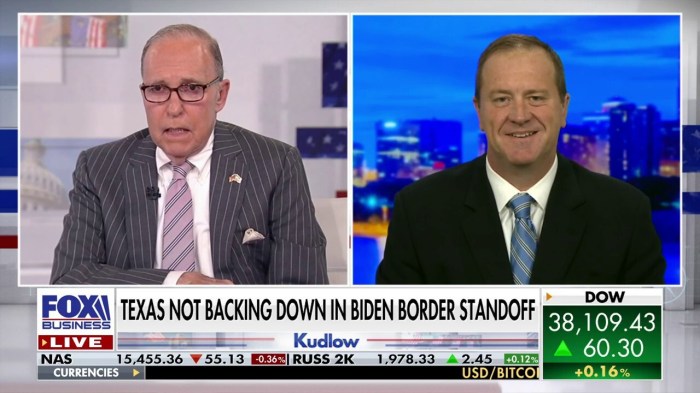
Texas News offers a comprehensive look at the Lone Star State, encompassing its vibrant political landscape, robust economy, and diverse cultural tapestry. From the ongoing debates shaping state policy to the challenges and opportunities facing Texas businesses and communities, this overview delves into the key issues defining Texas today. We explore the state’s economic powerhouse status, its complex educational system, and the crucial role of energy in its future.
This exploration examines Texas’s infrastructure needs, the accessibility of healthcare, the complexities of its criminal justice system, the impact of natural disasters, and the state’s dynamic demographics. We’ll consider the influence of major political figures, the challenges facing Texas schools, and the environmental implications of the state’s energy production. The goal is to provide a balanced and insightful perspective on the multifaceted realities of life in Texas.
Texas Politics
Texas’s political landscape is dominated by the Republican Party, holding a firm grip on all statewide elected offices and supermajorities in both the state House and Senate. This entrenched power structure significantly shapes the state’s policy direction, although a growing, albeit still minority, Democratic presence is actively challenging this dominance, particularly in urban areas.
The Republican Party in Texas generally adheres to a conservative platform, emphasizing limited government, individual liberty, and free markets. Key players include Governor Greg Abbott, who has championed policies focused on border security, gun rights, and restrictions on abortion access. Lieutenant Governor Dan Patrick holds significant sway over the legislative agenda, often pushing for socially conservative measures. The influence of powerful conservative lobbying groups further solidifies this ideological stance. In contrast, the Democratic Party in Texas, while facing significant uphill battles, advocates for policies promoting social justice, economic equality, and environmental protection. They find their strongest support in major metropolitan areas like Austin, Dallas, Houston, and San Antonio, often focusing their efforts on mobilizing urban voters. Notable Democratic figures include Beto O’Rourke, whose past gubernatorial and senatorial bids, while unsuccessful, demonstrated the potential for increased Democratic competitiveness.
The Impact of Recent Legislative Sessions
Recent legislative sessions have seen the passage of numerous bills reflecting the Republican Party’s priorities. These include stricter voting laws, which have drawn criticism from voting rights advocates; increased restrictions on abortion access, significantly impacting reproductive healthcare; and measures aimed at limiting the teaching of critical race theory in schools. These legislative actions have had a substantial impact on the state’s social and political climate, generating significant public debate and legal challenges. Conversely, Democratic efforts to advance progressive legislation, such as expanding access to healthcare or raising the minimum wage, have faced significant hurdles due to the Republican supermajorities. The resulting legislative outcomes reflect a clear partisan divide and have solidified existing political fault lines within the state.
A Hypothetical Shift in Political Power
Imagine a scenario where a significant shift in demographics and voter turnout leads to a Democratic takeover of the Texas state legislature and governorship. This hypothetical scenario could lead to dramatic changes in state policy. For example, stricter gun control measures could be implemented, mirroring those seen in other states with Democratic control. Access to abortion could be significantly expanded, potentially reversing or mitigating many of the recent restrictive laws. Furthermore, increased investment in public education and social programs could be prioritized, alongside efforts to address climate change. This hypothetical shift, while unlikely in the near future given current trends, illustrates the potential consequences of a change in political dominance and the stark contrast between the policy priorities of the two major parties in Texas. Such a shift would necessitate a significant realignment of political power and influence, potentially leading to a protracted period of political and social readjustment.
Texas Economy
Texas boasts a diverse and robust economy, consistently ranking among the largest in the United States and globally. Its success stems from a complex interplay of factors including a significant energy sector, a burgeoning technology industry, and a robust agricultural base. However, the state also faces significant challenges in areas such as infrastructure and workforce development.
The Texas economy’s current state is characterized by strong growth in several key sectors, yet underlying vulnerabilities remain. While the energy sector remains a dominant force, diversification into technology, healthcare, and advanced manufacturing is contributing to overall economic resilience. However, rapid population growth is straining existing infrastructure, and workforce shortages in certain skilled trades are creating bottlenecks for further expansion.
Key Economic Sectors
The Texas economy is heavily reliant on several key sectors. The energy industry, encompassing oil and gas extraction, refining, and petrochemicals, remains a cornerstone, contributing significantly to the state’s GDP and employment. However, its influence is increasingly balanced by the growth of the technology sector, particularly in major metropolitan areas like Austin and Dallas, fueled by the presence of major tech companies and a robust startup ecosystem. Furthermore, the agricultural sector, particularly in the state’s vast plains and fertile regions, remains a significant contributor to the economy, producing a wide range of crops and livestock. Finally, the healthcare sector, driven by a growing population and increasing demand for medical services, is also experiencing substantial growth.
Economic Impact of Recent Natural Disasters
Recent hurricanes and severe weather events have had a significant, though often localized, impact on the Texas economy. For example, Hurricane Harvey in 2017 caused widespread flooding in Houston and surrounding areas, resulting in billions of dollars in damage to infrastructure, businesses, and residential properties. The recovery process involved substantial government aid and private investment, but the economic disruption was considerable. Such events highlight the vulnerability of certain sectors to extreme weather and the need for robust disaster preparedness and mitigation strategies. The economic impact of these events is often felt not only immediately after the disaster but also in the long-term recovery efforts, impacting employment, investment, and overall economic growth.
Challenges and Opportunities for Texas Businesses
Texas businesses currently face a complex landscape of challenges and opportunities. The rapid population growth, while driving demand, also puts pressure on infrastructure, housing, and essential services. Workforce shortages, particularly in skilled labor and technology, present a significant hurdle to expansion and competitiveness. Furthermore, increasing energy prices and supply chain disruptions continue to pose challenges. However, opportunities abound in emerging sectors like renewable energy, advanced manufacturing, and the technology industry. The state’s business-friendly environment, relatively low taxes, and access to a large and diverse workforce remain attractive to businesses, both domestic and international. Strategic investments in infrastructure, education, and workforce development are crucial to maximizing these opportunities and mitigating the challenges.
Texas Economy Compared to Other Major State Economies
Compared to other major state economies like California, New York, and Florida, Texas often displays a different economic profile. While California’s economy is heavily reliant on technology and entertainment, and New York’s on finance and media, Texas’s economy is more diversified, with significant contributions from energy, agriculture, and manufacturing. Florida’s economy, like Texas’, benefits from tourism and a robust service sector. Texas generally enjoys a lower cost of living and lower taxes than many of these states, which can be attractive to businesses and individuals. However, Texas also lags behind in areas such as education and infrastructure investment, which could potentially limit its long-term economic competitiveness. The comparative analysis reveals that while Texas possesses unique strengths, it also faces specific challenges in maintaining its economic competitiveness in a rapidly evolving global landscape. Ongoing investments in human capital and infrastructure will be crucial in ensuring Texas continues to thrive economically.
Texas Education

Texas education faces a complex landscape shaped by funding models, demographic shifts, and evolving educational standards. The state’s commitment to public education is substantial, yet persistent challenges remain in ensuring equitable access to quality education for all students.
The current state of education funding in Texas is a multifaceted issue. The state relies heavily on property taxes to fund its public schools, leading to significant disparities between wealthier and poorer districts. Wealthier districts, with higher property values, can generate more revenue, allowing them to offer better resources, smaller class sizes, and more advanced programs. Conversely, poorer districts often struggle to provide even basic necessities, resulting in unequal educational opportunities. While the state legislature allocates funds to attempt to equalize this disparity through programs like the Texas School Finance System, the system remains imperfect and continues to be a subject of ongoing debate and reform efforts. The state’s reliance on local property taxes, coupled with the complexities of the school finance formula, creates a system where funding often doesn’t meet the needs of all students equally.
Recent Texas news focuses on the ongoing drought and its impact on agriculture. However, for a change of pace, let’s briefly look at some exciting developments in the world of basketball, specifically lakers news , before returning to the pressing issues facing the Lone Star State. The drought’s effect on water resources continues to be a significant concern for Texas residents.
Challenges Faced by Texas Schools
Texas schools face numerous challenges in providing quality education to all students. These include teacher shortages, particularly in high-need areas like special education and STEM fields. The state also grapples with a growing population of English language learners, requiring specialized instruction and resources. Furthermore, the achievement gap between different student demographics persists, reflecting the impact of socioeconomic factors and access to resources. Addressing these challenges requires a multi-pronged approach, including increased funding, targeted teacher recruitment and retention strategies, and comprehensive support programs for students from disadvantaged backgrounds. The digital divide also presents a significant hurdle, with many students lacking access to reliable internet and technology at home, hindering their ability to complete homework and participate fully in online learning initiatives.
Potential Solutions to Address Educational Disparities
Several potential solutions exist to address the disparities in educational outcomes across different regions of Texas. Increased state funding, specifically targeted towards under-resourced districts, is crucial. This funding could support smaller class sizes, enhanced teacher training, and the implementation of evidence-based instructional strategies. Investing in early childhood education programs can provide a strong foundation for future academic success, helping to close the achievement gap before it widens. Furthermore, expanding access to high-quality pre-K programs can help prepare students for kindergarten, mitigating the effects of socioeconomic disadvantages. Another important step is implementing robust teacher recruitment and retention programs, offering competitive salaries and benefits to attract and retain qualified educators, particularly in high-need areas. Finally, strengthening partnerships between schools, families, and communities can foster a supportive learning environment for all students.
Impact of Standardized Testing on Texas Students and Schools
Standardized testing in Texas plays a significant role in school accountability and funding decisions. The State of Texas Assessments of Academic Readiness (STAAR) tests are used to measure student achievement and school performance. While these tests provide data that can inform instructional practices and identify areas needing improvement, they also have potential drawbacks. The pressure to perform well on these high-stakes tests can lead to a narrow curriculum focus, potentially neglecting other important aspects of education like creativity and critical thinking. Additionally, the results can be used to rank schools and districts, potentially creating a competitive environment that may not be conducive to collaborative improvement efforts. Furthermore, the tests themselves may not accurately reflect the full range of student abilities and learning styles, potentially leading to misinterpretations of student performance and unfair consequences for schools and students. The emphasis on standardized testing needs to be balanced with a holistic approach to education that values a broader range of student skills and talents.
Texas Infrastructure
Texas’s infrastructure, encompassing its roads, bridges, utilities, and other essential systems, faces a complex array of challenges and opportunities. The state’s rapid population growth and economic expansion have placed immense strain on existing infrastructure, leading to concerns about safety, efficiency, and overall preparedness for future demands. Addressing these issues requires a comprehensive and strategically planned approach.
Current State of Texas Infrastructure
Texas boasts a vast network of roads and bridges, many of which are aging and in need of significant repair or replacement. The Texas Department of Transportation (TxDOT) maintains a massive system, but budgetary constraints and the sheer scale of the task make comprehensive upgrades a long-term undertaking. Similarly, the state’s utility infrastructure, including water, electricity, and natural gas distribution systems, faces challenges related to aging equipment, increased demand, and the need for adaptation to climate change. While some areas enjoy robust and modern infrastructure, others suffer from inadequate services and outdated systems, contributing to disparities across the state. The condition of these systems varies widely, with some sections showing significant deterioration and others requiring only routine maintenance.
Areas Needing Infrastructure Improvement
Several key areas demand immediate attention. Rural areas often lack access to reliable high-speed internet, hindering economic development and educational opportunities. Major metropolitan areas experience persistent congestion on highways and freeways, impacting commute times and economic productivity. The state’s aging water infrastructure requires significant investment to ensure reliable access to clean water, particularly in drought-prone regions. Furthermore, the resilience of the state’s infrastructure to extreme weather events, such as hurricanes and severe storms, needs to be strengthened through upgrades and preventative measures. Addressing these deficiencies is crucial for both public safety and economic growth.
Challenges and Opportunities in Infrastructure Development
Developing Texas’s infrastructure presents significant challenges. Securing funding is a major hurdle, requiring careful budgeting, strategic partnerships with the private sector, and potentially exploring innovative financing mechanisms. Environmental regulations and permitting processes can also add to the complexity and cost of projects. Furthermore, managing the disruption caused by construction projects requires careful planning and communication with affected communities. However, there are also significant opportunities. Infrastructure development creates jobs, stimulates economic growth, and enhances the quality of life for Texans. Investing in sustainable and resilient infrastructure can also help mitigate the impacts of climate change and improve the state’s long-term competitiveness. The adoption of new technologies, such as smart city initiatives and advanced materials, offers the potential for increased efficiency and cost savings.
Ten-Year Plan for Improving Texas Infrastructure
A comprehensive ten-year plan is necessary to address the state’s infrastructure needs. This plan should prioritize projects based on their impact on public safety, economic development, and environmental sustainability. It should involve a multi-pronged approach, including increased state funding, public-private partnerships, and innovative financing strategies. The plan should also incorporate robust monitoring and evaluation mechanisms to ensure accountability and transparency.
| Project Category | Projected Cost (Billions USD) | Timeline (Years) | Key Initiatives |
|---|---|---|---|
| Highway and Bridge Repairs/Upgrades | 100 | 10 | Resurfacing, bridge replacements, expansion of major corridors |
| Water Infrastructure Improvements | 50 | 10 | Pipeline upgrades, dam repairs, water conservation programs |
| Electric Grid Modernization | 30 | 7 | Smart grid technologies, renewable energy integration, grid hardening |
| Broadband Expansion in Rural Areas | 20 | 5 | Fiber optic network deployment, subsidy programs for internet providers |
Texas Energy
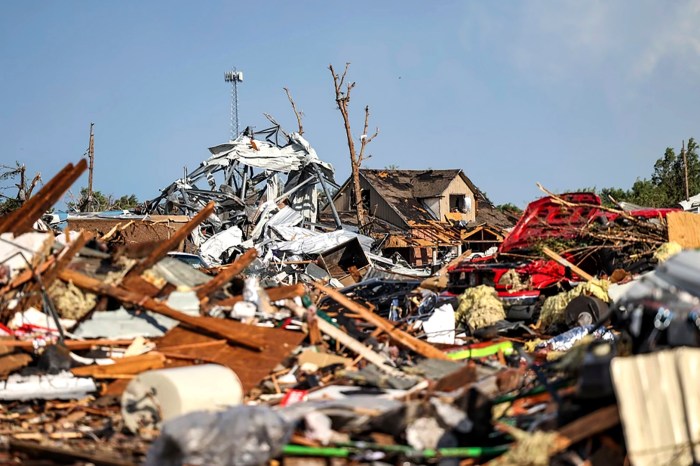
Texas boasts a robust and diverse energy sector, playing a pivotal role in the state’s economy and shaping its national and global influence. The industry’s contributions extend far beyond simple energy production; it impacts employment, infrastructure development, and tax revenue, significantly influencing the state’s overall economic health.
Texas Energy’s Economic Significance
The energy industry is a cornerstone of the Texas economy, contributing significantly to the state’s GDP and providing a substantial number of high-paying jobs. From oil and gas extraction to refining and distribution, the sector supports a complex network of businesses and industries, fostering economic growth across various regions of the state. The industry’s substantial tax revenue further contributes to funding public services and infrastructure projects. For example, the oil and gas industry alone directly employs hundreds of thousands of Texans and indirectly supports millions more through related industries such as manufacturing, transportation, and logistics.
Environmental Implications of Texas Energy Production
Texas’s significant energy production, particularly its reliance on fossil fuels, presents considerable environmental challenges. Greenhouse gas emissions from the combustion of fossil fuels contribute to climate change, impacting air and water quality. The extraction and transportation of oil and gas can lead to habitat destruction, water contamination, and methane leaks, further exacerbating environmental concerns. Specific examples include the impact of oil spills on coastal ecosystems and the contribution of flaring (burning off excess gas) to air pollution in regions with significant oil and gas activity. These environmental impacts necessitate ongoing efforts towards environmental stewardship and the adoption of cleaner energy practices.
Challenges and Opportunities in the Transition to Renewable Energy
The transition to renewable energy sources in Texas presents both significant challenges and considerable opportunities. Challenges include the intermittent nature of renewable energy sources like solar and wind, requiring robust energy storage solutions and grid modernization. Integrating large-scale renewable energy projects into existing infrastructure necessitates significant investment and careful planning. Opportunities include the potential for job creation in the renewable energy sector, reduced reliance on volatile fossil fuel markets, and a significant decrease in greenhouse gas emissions. Texas’s vast land area and abundant sunshine and wind resources offer significant potential for large-scale renewable energy development, potentially establishing the state as a leader in clean energy production. The development of innovative technologies, such as advanced battery storage and smart grids, will be crucial to overcoming the challenges and fully realizing the opportunities presented by this transition.
Comparison of Different Energy Production Types in Texas, Texas news
Texas’s energy portfolio is diverse, encompassing fossil fuels (oil, natural gas, and coal), nuclear power, and renewable sources (wind, solar, and geothermal). Oil and natural gas have historically dominated Texas’s energy production, providing substantial economic benefits but also significant environmental concerns. Wind energy has experienced significant growth in recent years, driven by favorable wind resources and government incentives. Solar energy is also expanding, although its intermittent nature presents challenges for grid integration. Nuclear power contributes a smaller but consistent portion of Texas’s electricity generation. The relative contribution of each energy source to the state’s overall energy mix is constantly evolving, reflecting technological advancements, policy changes, and market dynamics. A comparison of these different energy sources reveals a complex interplay between economic benefits, environmental impact, and technological feasibility.
Texas Healthcare
Texas faces significant challenges in ensuring accessible and affordable healthcare for its diverse population. The state’s unique blend of rural communities, rapidly growing urban areas, and a substantial uninsured population creates a complex landscape for healthcare providers and policymakers alike. This section examines the current state of Texas healthcare, highlighting key issues and potential solutions.
Healthcare Accessibility in Texas
Access to healthcare in Texas varies significantly depending on geographic location, socioeconomic status, and insurance coverage. Rural areas often experience shortages of healthcare professionals, limiting access to primary care and specialized services. Urban areas, while generally having more providers, can still face issues with affordability and long wait times for appointments, particularly for those without adequate insurance. The uninsured rate in Texas remains higher than the national average, leaving many Texans without access to routine care, preventative screenings, and timely treatment for illnesses and injuries. This lack of access contributes to poorer health outcomes and increased healthcare costs in the long run. Data from the U.S. Census Bureau and the Texas Health and Human Services Commission consistently reveal disparities in access based on these factors.
Affordability of Healthcare in Texas
The cost of healthcare in Texas is a major concern for many residents. High medical bills, prescription drug costs, and insurance premiums contribute to financial strain on families and individuals. The uninsured population faces the most significant financial burden, often delaying or forgoing necessary medical care due to cost. Even those with insurance can struggle with high deductibles, co-pays, and out-of-pocket expenses. This affordability crisis affects not only individuals but also the state’s economy, as healthcare debt contributes to personal bankruptcy and reduced workforce productivity. Studies by organizations like the Kaiser Family Foundation have documented the substantial financial burden of healthcare in Texas.
Impact of Healthcare Policy on Texas’ Population
Healthcare policy decisions at the state and federal levels have a profound impact on the health and well-being of Texans. Decisions regarding Medicaid expansion, insurance regulations, and funding for public health programs directly affect access to care and health outcomes. For example, Texas’s decision not to expand Medicaid under the Affordable Care Act has left a significant portion of the population uninsured, leading to poorer health outcomes and higher healthcare costs. Conversely, investments in preventative care and public health initiatives can improve population health and reduce the long-term burden on the healthcare system. Research consistently demonstrates the link between healthcare policy and population health indicators such as life expectancy, infant mortality, and chronic disease rates.
Challenges and Opportunities in the Texas Healthcare System
The Texas healthcare system faces numerous challenges, including the high uninsured rate, provider shortages, particularly in rural areas, and rising healthcare costs. However, there are also opportunities for improvement. Expanding access to telehealth services can improve access to care in underserved areas. Investing in preventative care and public health initiatives can reduce healthcare costs in the long run. Strengthening primary care infrastructure can improve the overall health of the population and reduce reliance on expensive emergency room services. Furthermore, addressing social determinants of health, such as poverty, housing insecurity, and food insecurity, can significantly improve health outcomes and reduce healthcare disparities.
A Plan to Improve Healthcare Access and Affordability in Texas
Improving healthcare access and affordability in Texas requires a multi-pronged approach. Expanding Medicaid coverage would significantly reduce the uninsured rate and improve access to care for low-income Texans. Investing in workforce development programs to increase the number of healthcare professionals, especially in rural areas, is crucial. Implementing policies to control healthcare costs, such as negotiating lower drug prices and regulating insurance premiums, would ease the financial burden on individuals and families. Finally, promoting preventative care and addressing social determinants of health through targeted programs and community partnerships will contribute to a healthier and more equitable Texas. This comprehensive plan, informed by best practices and evidence-based strategies from other states, could significantly improve the health and well-being of all Texans.
Texas Crime and Justice: Texas News
Texas’s criminal justice system, like that of any large and diverse state, faces a complex interplay of challenges and successes. Understanding the trends in crime rates, the effectiveness of prevention strategies, and the systemic issues requires a nuanced approach, acknowledging both progress and persistent areas needing reform. This section will examine key aspects of Texas’s crime and justice landscape.
Crime Rates and Trends in Texas
Texas crime statistics, compiled by the Texas Department of Public Safety and the FBI’s Uniform Crime Reporting (UCR) Program, reveal fluctuations over time. While specific numbers vary year to year, overall violent crime rates have generally shown a downward trend over the past two decades, though certain types of crime, such as aggravated assault, may experience periodic increases. Property crime rates have also generally decreased, although theft and burglary remain prevalent. Analyzing these trends requires considering factors like population growth, economic conditions, and the effectiveness of law enforcement strategies. For example, increases in certain types of crime might correlate with periods of economic hardship or shifts in population demographics.
Effectiveness of Crime Prevention Strategies
The effectiveness of various crime prevention strategies in Texas is a subject of ongoing research and debate. Community policing initiatives, which emphasize building relationships between law enforcement and the community, have shown promise in reducing crime in some areas. Similarly, targeted interventions focusing on high-crime areas or specific types of crime, such as drug trafficking or gang activity, can yield positive results. However, the success of these strategies often depends on factors such as adequate funding, community engagement, and consistent implementation. The evaluation of these programs requires rigorous data collection and analysis to assess their long-term impact.
Challenges Faced by the Texas Criminal Justice System
The Texas criminal justice system faces several significant challenges. Overcrowding in prisons remains a persistent problem, leading to high costs and potentially compromising the safety and rehabilitation of inmates. The high cost of incarceration places a significant strain on state resources, diverting funds from other essential public services. Further, disparities in sentencing and incarceration rates based on race and socioeconomic status represent a significant concern, requiring attention to ensure equitable justice. The system’s effectiveness in addressing mental health and substance abuse issues among offenders also needs improvement. Many incarcerated individuals require treatment and support that are not always adequately provided within the current system.
Proposal for Reforming the Texas Criminal Justice System
Reforming the Texas criminal justice system requires a multi-pronged approach. Investing in community-based programs that address the root causes of crime, such as poverty, lack of education, and substance abuse, is crucial. Expanding access to mental health and substance abuse treatment services, both within and outside the prison system, is essential. Implementing sentencing reforms that focus on rehabilitation rather than solely punishment, including alternatives to incarceration for non-violent offenders, could reduce prison overcrowding and costs. Finally, strengthening data collection and analysis capabilities will allow for more effective evaluation of programs and policies, ensuring that resources are allocated strategically to maximize impact and address systemic inequities. This data-driven approach would allow for a more targeted and effective response to the challenges facing the Texas criminal justice system.
Texas Natural Disasters
Texas, with its vast and diverse geography, is susceptible to a range of natural disasters. From hurricanes along the coast to devastating winter storms and wildfires across the state, these events have significantly impacted communities, causing widespread damage, displacement, and economic hardship. Understanding the impact of these events and improving preparedness is crucial for the state’s future resilience.
Recent Natural Disaster Impacts on Texas Communities
The past decade has witnessed several significant natural disasters in Texas, each leaving a lasting impact on affected communities. Hurricane Harvey in 2017, for instance, caused catastrophic flooding in Houston and surrounding areas, resulting in billions of dollars in damage and significant loss of life. The 2021 Texas deep freeze crippled the state’s power grid, leading to widespread power outages, frozen pipes, and fatalities, particularly among vulnerable populations. These events highlighted the vulnerability of critical infrastructure and the need for improved disaster preparedness and response mechanisms. The devastating wildfires that frequently sweep across the western part of the state also cause significant property damage, displace residents, and threaten ecological systems. The cumulative effects of these events strain state and local resources, impacting both the economy and the well-being of Texans.
Texas’ Preparedness for Future Natural Disasters
Texas has made strides in improving its disaster preparedness. The state maintains an active emergency management system, including a network of emergency response teams and resources. Early warning systems for hurricanes and severe weather have become increasingly sophisticated, allowing for timely evacuations and warnings to residents. However, significant challenges remain. The state’s aging infrastructure, particularly its power grid, remains vulnerable to extreme weather events. Furthermore, disparities in access to resources and information exist across different communities, leaving some populations disproportionately vulnerable to the impacts of natural disasters. Funding for disaster preparedness and mitigation efforts is also often a point of contention, impacting the state’s overall readiness.
Areas Needing Improvement in Disaster Response and Recovery
Several key areas require improvement in Texas’ disaster response and recovery efforts. Improving the resilience of critical infrastructure, including the power grid and transportation networks, is paramount. Strengthening communication systems to ensure timely and effective dissemination of information during emergencies is also crucial. Furthermore, equitable access to resources and support for vulnerable populations, including low-income communities and those with disabilities, must be prioritized. Streamlining the disaster recovery process to provide quicker and more efficient assistance to affected individuals and businesses is essential. Finally, investing in comprehensive mitigation strategies to reduce the risk of future disasters, such as improved flood control measures and wildfire prevention programs, is necessary.
Comprehensive Plan for Mitigating the Impact of Future Natural Disasters
A comprehensive plan to mitigate the impact of future natural disasters in Texas should incorporate several key elements. This includes investing in infrastructure improvements to enhance resilience against extreme weather events, strengthening early warning systems and communication networks, and developing robust evacuation plans. Equitable resource allocation and support for vulnerable populations are essential. The plan should also emphasize community-based preparedness initiatives, empowering local communities to participate actively in disaster mitigation and response. Finally, regular review and updating of the plan, based on lessons learned from past events, is vital to ensure its effectiveness in protecting Texans from future natural disasters. This proactive approach, combined with robust funding and consistent political will, is critical for creating a more resilient Texas.
Texas Culture and Arts

Texas boasts a vibrant and diverse cultural landscape, a rich tapestry woven from the threads of its diverse population. From its Spanish colonial heritage to its contributions to country music and its burgeoning contemporary art scene, Texas offers a unique and compelling cultural experience. This blend of influences shapes the state’s artistic heritage and significantly impacts its economy through tourism and cultural events.
The Diverse Cultural Landscape of Texas
Texas’s cultural richness stems from its multifaceted history. Native American tribes, Spanish conquistadors, Mexican settlers, African Americans brought through slavery, and waves of European immigrants have all left indelible marks on the state’s identity. This melting pot has resulted in a unique blend of traditions, languages, and artistic expressions. The influence of these groups is visible in the state’s architecture, cuisine, music, and art. For example, the vibrant colors and intricate designs of traditional Mexican textiles are still prevalent in many parts of the state, while the sounds of blues, jazz, and country music echo through its towns and cities. The contributions of each group are essential to understanding the complexity and beauty of Texas culture.
Examples of Texas’s Rich Artistic Heritage
Texas has produced a remarkable number of influential artists, musicians, and writers. The state’s artistic heritage encompasses a broad range of styles and genres. In literature, authors like Larry McMurtry, whose works often explore the complexities of Texas life, have achieved international recognition. In music, Texas has played a pivotal role in the development of country, blues, and tejano music, with artists like Willie Nelson and Selena Quintanilla becoming global icons. Visual arts are represented by a diverse array of styles and mediums, ranging from traditional landscape paintings to contemporary installations. The work of Texas artists reflects the state’s diverse cultural heritage and its unique environment. The influence of these artists continues to shape the state’s cultural identity and attract visitors from around the world.
The Economic Impact of Cultural Events and Festivals
Texas’s numerous cultural events and festivals generate significant revenue for the state’s economy. Events like South by Southwest (SXSW) in Austin, a renowned festival celebrating film, music, and interactive media, attract thousands of attendees and generate millions of dollars in revenue for the local economy. Similar impacts are seen in smaller, more localized festivals that celebrate specific cultural traditions. These festivals create jobs, stimulate local businesses, and enhance the state’s image as a vibrant cultural destination. The economic benefits extend beyond direct revenue, encompassing increased tourism and the development of related industries such as hospitality and entertainment.
A Guide to Experiencing Texas Culture and Arts
Exploring Texas’s culture and arts is an immersive journey. From visiting world-class museums to attending local festivals, there are countless ways to experience the state’s rich heritage. Begin by exploring the major cities, such as Austin, Dallas, Houston, and San Antonio, each offering a unique blend of cultural attractions. Consider attending a performance at the Majestic Theatre in San Antonio, a beautifully restored historic theater showcasing a variety of shows. For a taste of Texas’s vibrant music scene, visit the Continental Club in Austin, a legendary venue that has hosted countless musicians over the years. Don’t forget to delve into the state’s smaller towns and communities, where local festivals and cultural events offer an authentic taste of Texas life.
| Museum/Art Center | City | Focus | Notable Features |
|---|---|---|---|
| Kimbell Art Museum | Fort Worth | International art | Renowned architecture and collection spanning centuries |
| Dallas Museum of Art | Dallas | Broad range of art | Extensive collection, free general admission |
| Menil Collection | Houston | Diverse art, including Surrealism and Byzantine icons | Unique architectural setting and serene atmosphere |
| Blanton Museum of Art | Austin | Latin American art, European paintings | Impressive collection of prints and drawings |
Texas Demographics
Texas boasts a dynamic and rapidly evolving demographic landscape, significantly impacting its economic, social, and political future. Understanding these shifts is crucial for effective policymaking and resource allocation across the state. The state’s population growth, fueled by both natural increase and in-migration, presents both opportunities and challenges that require careful consideration.
Population Growth and Diversity
Texas’s population has experienced substantial growth over the past several decades, consistently outpacing the national average. This growth is driven by a high birth rate, internal migration from other states, and significant international immigration. The state’s diversity is equally striking, with a significant and growing Hispanic population, alongside substantial Black, Asian, and White communities. This multifaceted population contributes to a rich cultural tapestry but also necessitates policies that address the unique needs of diverse communities. For example, the increasing Hispanic population has led to a growing demand for Spanish-language services in areas like healthcare and education. Similarly, the influx of immigrants has brought about a need for improved language access and integration programs.
Demographic Shifts and Future Implications
The ongoing demographic shifts in Texas will profoundly shape the state’s future. The increasing Hispanic population is projected to become a majority within the coming decades, potentially leading to significant changes in political representation and policy priorities. The aging population, mirroring national trends, will necessitate adjustments to healthcare systems and social security provisions. Furthermore, the growing urban population concentrated in major metropolitan areas like Dallas, Houston, Austin, and San Antonio will require investments in infrastructure to support this concentrated growth. For example, the strain on transportation networks and housing affordability in these areas are already evident and require strategic planning to avoid future crises.
Challenges and Opportunities of a Growing and Diversifying Population
A rapidly growing and diversifying population presents both significant challenges and exciting opportunities for Texas. Challenges include the need for increased investment in infrastructure, education, and healthcare to accommodate the growing population. Addressing issues of affordable housing, managing traffic congestion, and ensuring equitable access to resources across diverse communities will be critical. Opportunities lie in the economic dynamism brought about by a large and diverse workforce, fostering innovation and entrepreneurship. A diverse population also enriches the state’s cultural landscape, contributing to its vibrancy and global competitiveness. However, effectively harnessing these opportunities requires proactive policy interventions that promote inclusivity and equity.
Demographic Breakdown of Texas
The following descriptive representation illustrates the demographic breakdown of Texas. Imagine a pie chart. The largest slice, representing approximately 40%, depicts the Hispanic population, highlighting its significant share of the state’s total population. Another substantial slice, around 30%, shows the White population. Smaller slices represent the Black population (around 12%), the Asian population (around 6%), and the remaining percentage encompasses other ethnicities.
Now, consider a bar graph illustrating the age distribution. The bars would show a relatively large segment representing the working-age population (25-54 years old), followed by a significant portion representing the younger population (0-24 years old). The segment representing the older population (55 and above) is growing, but still smaller than the other two age groups.
Finally, a histogram could illustrate income levels. This would show a distribution skewed towards the lower and middle income levels, with a smaller portion representing high-income earners. This distribution reflects income inequality within the state, a challenge requiring targeted policy interventions. The visualization would show a clear rightward skew, indicating that a larger portion of the population falls within the lower and middle-income brackets.
Last Word
Understanding Texas requires a multifaceted approach, acknowledging its economic strength, political dynamism, and social complexities. From its booming energy sector to its evolving educational system, Texas presents a tapestry of challenges and opportunities. This overview has aimed to highlight the key issues shaping the state’s future, encouraging further exploration and deeper understanding of this influential and diverse region of the United States.
Staying informed about Texas news can be challenging with the sheer volume of information available. For a comprehensive and readily accessible overview, I often turn to a reliable source like google news to quickly filter through the latest headlines. This helps me efficiently focus on important Texas-related developments, ensuring I’m up-to-date on significant events across the state.


