
Veterans Organization News provides crucial insights into the vital work undertaken by organizations dedicated to supporting veterans. This encompasses a wide range of activities, from securing funding and providing essential services to advocating for veterans’ rights and fostering community engagement. Understanding the challenges these organizations face, and the innovative solutions they implement, is essential to ensuring our veterans receive the care and support they deserve.
This overview explores the diverse facets of veteran organizations, examining their funding models, service provision, advocacy efforts, and the impact of technology and community engagement on their operations. We will also delve into the challenges they face and the future trends shaping their work, highlighting success stories and best practices.
Veteran Organization Funding Sources
Veteran organizations rely on a diverse range of funding sources to support their vital missions of providing services and advocacy for veterans. These sources can be broadly categorized as public and private, each with its own unique characteristics and contributions. Understanding these funding streams is crucial to appreciating the complexities of supporting veteran well-being.
Funding for veteran organizations comes from a variety of public and private sources. Public funding often comes from government grants and contracts at the federal, state, and local levels. These funds are typically allocated based on specific programs and initiatives aimed at assisting veterans with healthcare, housing, employment, and other needs. Private funding, on the other hand, is derived from individual donations, corporate sponsorships, and philanthropic foundations. The relative importance of each source varies significantly depending on the size and mission of the organization.
Public Funding Sources for Veteran Organizations
Government funding plays a significant role in supporting many veteran organizations. The Department of Veterans Affairs (VA) provides substantial grants and contracts to organizations that offer services complementary to those offered by the VA itself. These services might include peer support groups, job training programs, or assistance with navigating VA benefits. State and local governments also contribute funding, often focusing on initiatives tailored to the specific needs of veterans within their jurisdictions. For example, a state might fund a program dedicated to assisting homeless veterans, while a city might support a local organization providing transportation services to VA medical appointments. The level of public funding can fluctuate depending on budgetary priorities and the political climate.
Private Funding Sources for Veteran Organizations
Private funding is a critical component of the financial landscape for veteran organizations, particularly smaller ones. Individual donations, often made through online platforms or direct mail campaigns, represent a substantial portion of this funding. These donations can range from small, recurring contributions to larger, one-time gifts. Corporate sponsorships are another important source, with companies often aligning themselves with veteran organizations to demonstrate their commitment to community support and corporate social responsibility. Finally, philanthropic foundations, both large and small, provide significant grants to veteran organizations, often supporting specific programs or initiatives aligned with the foundation’s mission. For instance, a foundation focused on mental health might provide funding for a veteran organization’s peer support program.
Funding Models of Three Major Veteran Organizations
The funding models of large veteran organizations often reflect their size and scope of operations. The American Legion, for example, relies heavily on membership dues, supplemented by fundraising events, grants, and investments. The Veterans of Foreign Wars (VFW) employs a similar model, emphasizing membership dues and fundraising initiatives. In contrast, the Paralyzed Veterans of America, focusing on a specific veteran population, receives a significant portion of its funding from government grants and private donations targeted at supporting individuals with spinal cord injuries. These variations illustrate the diverse approaches organizations take to secure financial stability and achieve their missions.
Hypothetical Fundraising Campaign for a Smaller Veteran Organization
A hypothetical fundraising campaign for a smaller veteran organization, let’s call it “Veterans Supporting Veterans,” could focus on a peer-to-peer fundraising model. The target audience would be veterans themselves, as well as their families and friends. The campaign’s narrative could emphasize the organization’s direct impact on the lives of veterans in the local community, highlighting specific success stories and demonstrating the tangible benefits of donations. The campaign could utilize social media platforms and email marketing to reach the target audience, leveraging the power of personal storytelling and online fundraising tools. Incentives, such as recognition on the organization’s website or participation in exclusive events, could further encourage donations. The campaign’s goal would be to build a sustainable funding base to support the organization’s long-term mission of providing essential services to veterans in need.
Veterans Organization Services Provided
Veteran organizations play a crucial role in supporting veterans’ transition back into civilian life and addressing their ongoing needs. These organizations offer a wide array of services designed to improve veterans’ well-being across various aspects of their lives. The services are often tailored to specific needs, ensuring veterans receive targeted support where it’s most needed.
The breadth of services provided by veteran organizations is extensive, covering healthcare, employment assistance, housing support, and much more. Many organizations collaborate to provide comprehensive care, leveraging their individual strengths to create a robust network of support for veterans. The following sections will detail the types of services offered, provide examples of their impact, and offer contact information for further inquiries.
Recent veterans organization news highlights the increasing need for support services. For instance, a significant initiative focusing on veteran homelessness is gaining traction, particularly in California. To understand the local context, it’s helpful to consult local news sources, such as san diego news , for updates on community-based programs. This regional perspective offers valuable insight into the effectiveness of these veteran support initiatives at a grassroots level.
Further national veterans organization news will follow soon.
Healthcare Services
Many veteran organizations offer healthcare services or facilitate access to existing healthcare systems. This can include assistance with navigating the Veterans Affairs (VA) healthcare system, providing referrals to specialists, offering mental health support, and even organizing health screenings and wellness programs. These services are crucial for addressing the unique healthcare challenges veterans often face, such as PTSD, traumatic brain injuries, and other service-connected disabilities.
Recent veterans organization news highlights the increasing focus on mental health support programs. This is particularly relevant given the geopolitical landscape, including developments in china news , which can indirectly impact veteran well-being through shifts in global security and economic conditions. Therefore, understanding these broader trends is crucial for effectively supporting our veterans’ needs.
For example, the Wounded Warrior Project provides adaptive sports programs and mental health resources to veterans with physical injuries and invisible wounds. These programs help veterans regain physical strength, improve mental well-being, and foster a sense of community. Another example is the Fisher House Foundation, which provides free lodging for veterans and their families during medical treatment, easing the financial burden and allowing them to focus on recovery.
Employment and Vocational Training, Veterans organization news
Transitioning from military life to the civilian workforce can be challenging. Veteran organizations provide vital support in this area, offering job search assistance, resume building workshops, interview skills training, and vocational training programs. These services help veterans leverage their military skills and experience to secure meaningful employment.
The American Legion, for instance, runs job placement programs and connects veterans with potential employers. They often host career fairs and provide resources to help veterans market their unique skill sets. Similarly, many organizations offer vocational training to help veterans acquire new skills or upgrade existing ones, making them more competitive in the job market. A veteran with experience in logistics might receive training in supply chain management, for instance, increasing their marketability.
Housing Assistance
Securing stable and affordable housing is a significant challenge for many veterans, especially those facing homelessness or financial hardship. Veteran organizations address this by providing housing assistance programs, including transitional housing, permanent supportive housing, and financial assistance for rent and utilities.
The Department of Veterans Affairs (VA) offers a range of housing programs, including the Supportive Services for Veteran Families (SSVF) program, which provides case management and assistance with obtaining housing. Organizations like Habitat for Humanity also partner with veteran organizations to build and repair homes for veterans in need. A case study could involve a veteran struggling with homelessness who, through SSVF, received case management, housing assistance, and employment support, ultimately leading to stable housing and employment.
Table of Veteran Organization Services
The following table summarizes the types of services offered, eligibility criteria, and contact information (note: contact information is illustrative and should be verified independently).
| Service Type | Description | Eligibility Criteria | Contact Information |
|---|---|---|---|
| Healthcare | Access to VA healthcare, mental health support, wellness programs | Veteran status, may vary by program | VA website or local VA office |
| Employment Assistance | Job search assistance, resume building, interview skills training, vocational training | Veteran status | American Legion, local veteran service organizations |
| Housing Assistance | Transitional housing, permanent supportive housing, financial assistance | Veteran status, income restrictions may apply | VA website, local housing authorities |
| Financial Assistance | Emergency financial aid, grants, loans | Veteran status, financial need | Various veteran organizations, local charities |
Challenges Faced by Veteran Organizations
Veteran organizations across the nation face a multitude of interconnected challenges in their efforts to support veterans and advocate for their needs. These hurdles range from securing adequate funding and attracting qualified staff to navigating complex bureaucratic systems and addressing the evolving needs of a diverse veteran population. The effectiveness of these organizations directly impacts the well-being and successful reintegration of countless veterans into civilian life.
Veteran organizations often struggle with securing sufficient funding to meet the growing demand for their services. Many rely on a combination of government grants, private donations, and fundraising events, each with its own limitations and uncertainties. Competition for limited resources is fierce, and unpredictable economic conditions can significantly impact the availability of funding. Furthermore, the evolving needs of veterans, particularly those returning from recent conflicts, often require specialized programs and services, placing additional strain on already limited budgets.
Impact of Budget Cuts on Veteran Organization Services
The impact of budget cuts on veteran organizations can be profound and far-reaching. For example, consider a hypothetical organization, “Veterans Support Network,” which experienced a 15% reduction in its annual budget. This resulted in the immediate closure of a vital job training program that previously assisted over 50 veterans annually in finding employment. Additionally, the organization had to reduce its staff by 10%, leading to longer wait times for counseling services and a decreased capacity to assist veterans with navigating the complexities of VA benefits claims. The reduced capacity also meant fewer outreach events to connect veterans with available resources, leaving many veterans feeling isolated and unsupported.
Potential Solutions to Address Challenges Faced by Veteran Organizations
Addressing the challenges faced by veteran organizations requires a multifaceted approach involving increased funding, improved efficiency, and strengthened partnerships. Several potential solutions can mitigate the negative impacts of budget cuts and enhance the overall effectiveness of these crucial organizations.
- Diversify Funding Streams: Explore alternative funding models beyond government grants, such as corporate sponsorships, crowdfunding campaigns, and endowment initiatives. This can reduce reliance on a single funding source and enhance financial stability.
- Improve Operational Efficiency: Implement cost-saving measures without compromising the quality of services. This could involve streamlining administrative processes, leveraging technology to enhance service delivery, and exploring collaborations with other organizations to share resources.
- Advocacy for Increased Government Funding: Engage in sustained advocacy efforts to secure increased and stable government funding for veteran services. This requires building strong relationships with elected officials and effectively communicating the needs of veterans and the organizations supporting them.
- Develop Strategic Partnerships: Collaborate with other non-profit organizations, businesses, and educational institutions to leverage their resources and expertise. This can broaden the reach of services and provide access to a wider range of support networks for veterans.
- Enhance Data-Driven Decision Making: Utilize data analytics to track program effectiveness, identify areas for improvement, and demonstrate the impact of services to potential funders and stakeholders. This ensures resources are allocated strategically and maximizes the impact of investments.
Impact of Technology on Veteran Organizations
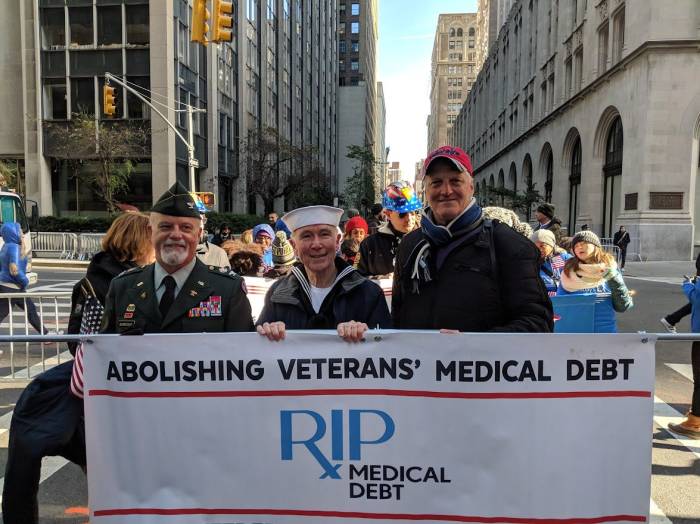
Technology has fundamentally reshaped how veteran organizations operate, expanding their reach and improving service delivery. From streamlined administrative processes to enhanced communication with veterans, the digital revolution has offered significant advantages, though challenges remain in its effective implementation and accessibility.
Technology has improved the efficiency and reach of veteran organizations in numerous ways. Online platforms allow for easier access to vital resources such as benefits information, mental health support, and job training programs. Automated systems handle administrative tasks like scheduling appointments and managing databases, freeing up staff to focus on direct veteran support. Furthermore, digital communication tools facilitate rapid dissemination of information and updates to a geographically dispersed veteran population.
Improved Efficiency Through Technology Adoption
Veteran organizations utilize various software solutions to enhance efficiency. Customer Relationship Management (CRM) systems help track veteran interactions, ensuring personalized support and follow-up. Cloud-based storage solutions provide secure access to sensitive data from multiple locations, improving collaboration and data management. These technological advancements streamline workflows, reducing administrative overhead and freeing up resources for core mission activities. For instance, a hypothetical organization might use a CRM to track the progress of veterans seeking employment assistance, ensuring personalized job search support and timely follow-up. This targeted approach, facilitated by technology, increases the likelihood of successful job placement.
Challenges in Technology Adoption by Veteran Organizations
Despite the benefits, challenges exist in technology adoption. Many veteran organizations face budgetary constraints limiting their ability to invest in new technologies and the necessary training. A lack of technical expertise within the organization can also hinder effective implementation and maintenance. Furthermore, ensuring digital accessibility for all veterans, particularly those with disabilities or limited technological literacy, presents a significant hurdle. This necessitates careful consideration of user-friendliness and the provision of adequate technical support. For example, a veteran organization might need to offer training sessions or provide assistive technologies to ensure equitable access to online resources for all veterans, regardless of their technological proficiency.
Social Media for Outreach and Fundraising
Social media platforms provide powerful tools for outreach and fundraising. Veteran organizations utilize platforms like Facebook, Twitter, and Instagram to connect with veterans, share resources, and promote events. Targeted advertising campaigns allow for focused outreach to specific demographics, maximizing the impact of messaging. Crowdfunding platforms and online donation tools simplify fundraising efforts, enabling organizations to reach a broader donor base. For example, a veteran organization might launch a social media campaign highlighting the stories of veterans who have benefited from their services, encouraging donations and increasing awareness of their mission. The use of compelling visuals and engaging content can significantly enhance the success of such campaigns.
Veteran Organization Volunteer Programs
Volunteer programs are the backbone of many successful veteran organizations, providing crucial support and expanding the reach of services offered to veterans and their families. These programs leverage the skills, time, and compassion of dedicated individuals to amplify the organization’s impact, often filling gaps in resources and expertise. A well-structured volunteer program can significantly enhance an organization’s capacity to serve its mission.
Successful volunteer programs within veteran organizations typically share a common structure. They begin with a clear definition of needs and roles, followed by a robust recruitment strategy, comprehensive training, ongoing support, and a system for recognizing and appreciating volunteer contributions. This structured approach ensures volunteers feel valued, their skills are utilized effectively, and the organization benefits from their consistent engagement. Effective communication is paramount throughout the process, fostering a sense of community and shared purpose among volunteers and staff. Regular feedback mechanisms allow for continuous improvement and adaptation to evolving needs.
Structure and Impact of a Successful Volunteer Program
A successful volunteer program within a veteran organization requires careful planning and execution. It begins with identifying the organization’s needs – whether it’s administrative support, event planning, direct service to veterans, fundraising, or community outreach. Next, detailed volunteer roles are defined, outlining responsibilities, time commitment, and required skills. Recruitment strategies then target individuals with the relevant skills and a passion for supporting veterans. Comprehensive training equips volunteers with the necessary knowledge and skills to perform their roles effectively. Ongoing support and mentorship are crucial to maintain engagement and address any challenges volunteers may face. Finally, a system for recognizing and rewarding volunteer contributions reinforces their value and encourages continued participation. The impact of a well-run program is multifaceted: increased service capacity, enhanced community engagement, cost savings for the organization, and a stronger sense of community among volunteers and veterans. For example, a program providing peer support could significantly reduce the burden on paid staff while providing invaluable emotional support to veterans struggling with PTSD.
Recruitment and Training Methods Comparison
Two distinct approaches to volunteer recruitment and training can be observed: a highly structured, centralized program versus a more decentralized, flexible approach.
A centralized program, like that employed by a large national veteran organization, might utilize a sophisticated online application system, rigorous background checks, and standardized training modules delivered through online platforms or in-person workshops. This approach ensures consistency and quality control but can be less flexible and potentially less appealing to volunteers who prefer a less formal approach.
Conversely, a smaller, local veteran organization might rely on word-of-mouth recruitment, less formal onboarding, and on-the-job training tailored to individual volunteer skills and preferences. This method offers greater flexibility and can foster a stronger sense of community, but may lack the standardization and consistency of a centralized program. Both approaches have their merits, and the best choice depends on the organization’s size, resources, and specific needs.
Volunteer Recruitment Flyer

Public Perception and Media Coverage of Veteran Organizations
Public perception of veteran organizations significantly impacts their ability to fundraise, recruit volunteers, and serve veterans effectively. Media coverage plays a crucial role in shaping this perception, both positively and negatively. A balanced and nuanced understanding of this media landscape is vital for veteran organizations to navigate effectively and build strong public trust.
Mainstream media often portrays veteran organizations in a variety of ways, ranging from heroic narratives of service and support to critical examinations of internal challenges or financial transparency. The tone and focus of this coverage can significantly impact public donations, volunteer recruitment, and overall support for the organization’s mission.
Examples of Media Portrayals
Media coverage of veteran organizations varies widely. Positive portrayals often highlight successful programs, impactful stories of veterans helped, and the dedication of volunteers and staff. For example, a news segment showcasing a veteran organization’s job training program leading to successful employment for several veterans could significantly boost public perception and encourage donations. Conversely, negative coverage, such as investigations into financial mismanagement or allegations of ineffective leadership, can severely damage an organization’s reputation and hinder its ability to operate effectively. A critical article exposing instances of internal conflict or questionable spending practices could lead to a decline in public trust and donations.
Developing a Media Strategy for Improved Public Perception
To improve public perception, a veteran organization, let’s call it “Veterans Aid Network,” needs a comprehensive media strategy focusing on transparency, impactful storytelling, and proactive communication. This strategy should encompass several key elements. First, Veterans Aid Network should proactively engage with journalists and media outlets to share positive stories about the organization’s impact on veterans’ lives. This could involve press releases announcing successful programs, organizing media visits to showcase services, and providing compelling human-interest stories. Second, Veterans Aid Network should maintain a strong online presence through a regularly updated website and active social media accounts. This online presence should highlight the organization’s accomplishments, transparency in financial management, and the positive impact of its programs. Third, the organization should develop a crisis communication plan to address negative media coverage effectively and transparently. This plan should include procedures for responding to critical inquiries, addressing concerns promptly, and correcting any inaccuracies in reporting. Finally, Veterans Aid Network should actively seek partnerships with media outlets and influencers to promote its mission and build positive relationships with the media. By fostering strong relationships with journalists and proactively sharing their story, Veterans Aid Network can shape the narrative around its work and build greater public trust.
Veteran Organization Community Engagement
Veteran organizations recognize the importance of strong community ties, not only for securing support but also for fulfilling their mission of serving veterans and their families. Effective community engagement fosters a sense of belonging, facilitates access to vital resources, and promotes a deeper understanding of veterans’ needs within the broader population. Successful engagement strategies are multifaceted, encompassing both direct outreach and collaborative partnerships.
Community outreach methods employed by veteran organizations are diverse and tailored to their specific goals and resources. Many utilize traditional methods such as distributing informational pamphlets at community events, establishing partnerships with local businesses and schools, and participating in town hall meetings and parades. Digital strategies, such as maintaining active social media presences and utilizing email newsletters, are also increasingly prevalent, enabling wider reach and more targeted communication. Some organizations even leverage peer-to-peer networks, encouraging veterans to share their experiences and connect with their communities directly.
Comparison of Community Outreach Strategies
The American Legion and the Veterans of Foreign Wars (VFW) represent two prominent veteran organizations with distinct, yet overlapping, community engagement strategies. The American Legion, with its strong emphasis on local posts, often focuses on grassroots initiatives, fostering close relationships within specific neighborhoods and towns. Their community engagement often centers around sponsoring youth programs, providing scholarships, and participating in local parades and ceremonies. In contrast, the VFW, while also maintaining local posts, frequently adopts a broader, more nationally coordinated approach to community outreach. They often leverage their national network to promote awareness of veteran issues on a larger scale and engage in advocacy efforts at the state and federal levels. Both organizations, however, share the common goal of providing support to veterans and actively contributing to their communities.
Examples of Community Events Hosted by Veteran Organizations
Veteran organizations host a wide array of events to engage their communities. These events serve various purposes, from raising awareness and funds to fostering camaraderie and providing vital services. The following examples illustrate the diversity of such events:
- Memorial Day and Veterans Day ceremonies: These solemn events honor fallen veterans and celebrate the service of all veterans, often involving community participation through parades, speeches, and wreath-laying ceremonies.
- Community picnics and family fun days: These events provide opportunities for veterans and their families to socialize with community members in a relaxed and informal setting.
- Fundraising events (e.g., golf tournaments, dinners, auctions): These events generate funds to support the organization’s programs and services.
- Workshops and seminars (e.g., on veterans’ benefits, mental health, employment): These events provide valuable information and resources to veterans and their families.
- Volunteer opportunities (e.g., community cleanup projects, assisting at local food banks): These events promote community service and demonstrate the commitment of veterans to their communities.
The Role of Veteran Organizations in Transition Support

Veteran organizations play a crucial role in assisting veterans as they navigate the complex transition from military to civilian life. This transition often presents significant challenges, and the support provided by these organizations is vital for successful reintegration into society and the workforce. They offer a wide range of services designed to address the unique needs and obstacles veterans face.
Veteran organizations provide comprehensive support to veterans transitioning from military to civilian life. This support encompasses various areas, aiming to ease the adjustment process and empower veterans to thrive in their new environment.
Challenges Faced During Military-to-Civilian Transition
The transition from military to civilian life presents numerous challenges for veterans. These challenges can be broadly categorized into employment, education, healthcare, and mental health. Many veterans struggle to translate their military skills and experience into civilian job roles, facing difficulties in finding suitable employment and adapting to a different work culture. Access to quality healthcare, including mental health services to address issues such as PTSD and depression, is also a significant concern. Further complicating matters is the need to adjust to a new social environment and the potential for social isolation. Financial instability, resulting from unemployment or underemployment, can exacerbate these challenges.
Support Services Offered by Veteran Organizations
Veteran organizations offer a wide array of services to mitigate these transition challenges. These services often include career counseling and job placement assistance, connecting veterans with employers who value their unique skills and experience. Educational benefits and support are also provided, helping veterans pursue further education or vocational training to enhance their job prospects. Access to healthcare resources, including mental health services, is a cornerstone of their support, ensuring veterans receive the necessary care to address physical and mental health concerns. Financial assistance programs and housing support are also often available to address financial instability and housing insecurity. Finally, many organizations provide peer support networks and mentorship programs, fostering a sense of community and facilitating social reintegration.
A Step-by-Step Guide for Veterans Seeking Support
Many veterans are unsure of where to begin when seeking support during their transition. This step-by-step guide Artikels the process of connecting with veteran organizations and accessing their services.
- Identify your needs: First, assess your specific needs and challenges. Are you struggling to find employment? Do you need assistance with healthcare or housing? Identifying your priorities will help you target the most relevant resources.
- Research veteran organizations: Numerous organizations offer support to veterans, each with its own focus and services. Research organizations in your area or those specializing in the areas where you need support. Examples include the Veterans of Foreign Wars (VFW), the American Legion, and the Wounded Warrior Project. Consider researching local chapters for more personalized support.
- Contact the organization: Reach out to the chosen organization through their website, phone, or email. Inquire about their services and eligibility requirements.
- Complete any necessary applications: Most organizations will require you to complete applications or provide documentation to verify your veteran status and needs.
- Attend orientation or introductory sessions: Many organizations offer introductory sessions or orientations to familiarize you with their services and resources.
- Engage with available services: Once enrolled, actively participate in the programs and services offered by the organization. Utilize the resources available to address your specific needs and challenges.
Future Trends in Veteran Organizations: Veterans Organization News
Veteran organizations face a dynamic landscape in the coming decade, requiring adaptation and innovation to effectively serve the evolving needs of veterans. Demographic shifts, technological advancements, and changes in the nature of military service itself will significantly impact how these organizations operate and the services they provide. Understanding these trends is crucial for ensuring the continued relevance and effectiveness of veteran support networks.
Several key factors will shape the future of veteran organizations. These include the increasing diversity of the veteran population, the growing demand for mental health services, and the expanding role of technology in connecting veterans with resources and support. Simultaneously, challenges such as funding limitations, maintaining volunteer engagement, and navigating the complexities of government regulations will require creative solutions and strategic partnerships.
Emerging Trends and Challenges
The veteran population is becoming increasingly diverse, encompassing a wider range of ages, backgrounds, and experiences. This necessitates a tailored approach to service delivery, recognizing the unique needs of different veteran cohorts. For instance, veterans from recent conflicts may have different needs than those from previous generations, particularly concerning mental health issues stemming from operational stress injuries. Further, the increasing number of female veterans requires specialized programs and resources to address their unique challenges. Competition for funding will remain a persistent challenge, requiring organizations to demonstrate impact and efficiency to secure resources. This necessitates robust data collection and evaluation of program outcomes.
Innovations in Services and Support
Technological advancements offer significant opportunities to enhance the services offered by veteran organizations. Telehealth platforms can expand access to mental health care and other services, particularly for veterans in rural areas or those with mobility limitations. Artificial intelligence (AI) can be utilized to personalize support services and improve the efficiency of administrative tasks. For example, AI-powered chatbots could provide veterans with instant access to information about benefits and resources, while AI-driven analytics could help organizations identify and address unmet needs within their communities. Furthermore, the use of virtual reality (VR) and augmented reality (AR) technologies offers potential for innovative therapeutic interventions and training programs. Imagine a VR program designed to help veterans manage PTSD symptoms through simulated exposure therapy, offering a safe and controlled environment to confront traumatic memories.
Vision Statement for a Veteran Organization
To empower veterans and their families by providing innovative and accessible support services, fostering a strong sense of community, and advocating for their well-being in an ever-evolving world.
This vision statement encapsulates the core principles guiding a forward-thinking veteran organization. It emphasizes innovation, accessibility, community building, and advocacy—all crucial elements for effectively addressing the needs of veterans in the future. The organization will strive to leverage technology to enhance its service delivery, expand its reach to underserved populations, and strengthen its partnerships with government agencies, private sector organizations, and community groups. A commitment to data-driven decision-making will ensure the organization’s resources are allocated effectively to maximize its impact.
Final Summary
In conclusion, veteran organizations play a pivotal role in the lives of countless veterans and their families. Their dedication to providing essential services, advocating for policy changes, and fostering a sense of community is invaluable. By understanding their operations, challenges, and future directions, we can collectively work towards strengthening their capacity to support our nation’s heroes and ensure their continued success in serving those who have served us.


