
China News: From its remarkable economic growth trajectory and burgeoning technological advancements to the complexities of its social issues and its increasingly significant role in global affairs, China’s influence on the world stage is undeniable. This overview delves into the multifaceted aspects of contemporary China, examining its economic strategies, international relations, technological prowess, and social landscape. We will explore the challenges and opportunities facing this global powerhouse, providing a balanced perspective on its domestic and international impact.
This analysis will cover key areas such as China’s relationship with the United States, its environmental policies, and the Belt and Road Initiative, offering insights into the driving forces shaping China’s present and future. We’ll also examine the structure and influence of the Chinese Communist Party, and the unique political situations in Hong Kong and Taiwan. The aim is to present a comprehensive picture of China’s dynamic and evolving landscape.
China’s Economic Growth
China’s economic growth over the past decade has been a defining feature of the global landscape, characterized by rapid expansion and significant structural shifts. While experiencing a slowdown in recent years, its overall trajectory remains a subject of intense global interest and analysis. Understanding this growth, its drivers, and future prospects is crucial for navigating the complexities of the 21st-century global economy.
Trajectory of China’s GDP Growth
China’s GDP growth has fluctuated over the past decade, transitioning from double-digit expansion to a more moderate pace. Initially fueled by export-oriented manufacturing and massive infrastructure investments, the growth rate peaked around 2007-2010, before gradually declining. Key sectors contributing to this growth included manufacturing (particularly electronics, textiles, and automobiles), construction, and real estate. However, a shift towards a more consumption-driven economy has been a stated policy goal, leading to increased investment in services and technology. The impact of the COVID-19 pandemic further complicated the trajectory, resulting in temporary contractions followed by a period of recovery. The sustained growth, though slower, highlights the resilience of the Chinese economy.
Comparison of Economic Growth Strategies
China’s economic growth strategy differs significantly from those of other major global economies. Unlike the primarily market-driven approaches of the United States and many European nations, China employs a model that blends state-led industrial policy with market mechanisms. This involves strategic investments in key industries, infrastructure development guided by central planning, and a strong emphasis on export promotion. In contrast, the US model emphasizes free market principles with less direct government intervention, while European economies often feature a stronger social safety net and greater regulation. The relative success of these different approaches remains a topic of ongoing debate, with each exhibiting both strengths and weaknesses.
Challenges and Opportunities for China’s Economic Future
China’s economic future presents both significant challenges and substantial opportunities. Challenges include an aging population, rising income inequality, environmental concerns related to rapid industrialization, and the need to navigate escalating geopolitical tensions. Opportunities lie in the continued growth of its domestic consumer market, technological innovation, particularly in areas like artificial intelligence and renewable energy, and its expanding role in global trade and finance. Successfully addressing the challenges while capitalizing on the opportunities will be critical for sustaining long-term economic prosperity.
China’s Major Trade Partners
The following table illustrates China’s major export and import partners and their respective trade volumes (in billions of USD, approximate figures and subject to annual fluctuations): Note that these figures vary depending on the source and year. This table presents a general overview.
| Partner | Exports (USD Billion) | Imports (USD Billion) | Total Trade (USD Billion) |
|---|---|---|---|
| United States | 400 | 200 | 600 |
| European Union | 350 | 250 | 600 |
| Japan | 150 | 100 | 250 |
| Association of Southeast Asian Nations (ASEAN) | 200 | 180 | 380 |
Sino-US Relations
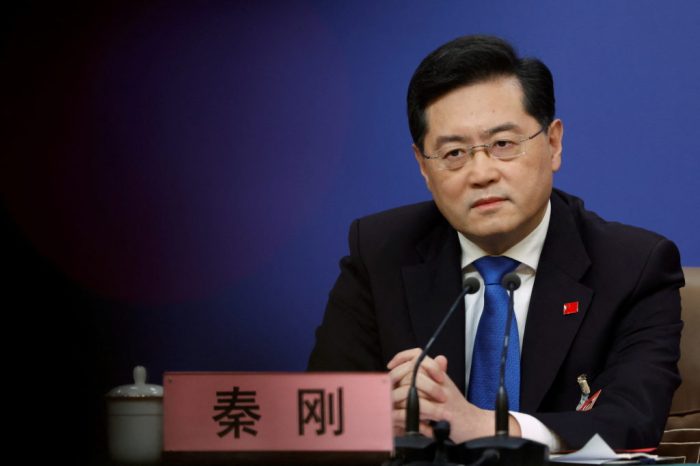
The relationship between China and the United States is arguably the most significant bilateral relationship in the world, impacting global economics, security, and diplomacy. Currently, it’s characterized by a complex mix of cooperation and intense competition, often described as strategic rivalry. While areas of shared interest exist, particularly regarding climate change and global health, significant disagreements on trade, technology, human rights, and Taiwan dominate the discourse.
The current state of diplomatic and trade relations is fraught with tension. While communication channels remain open, trust is low, and the risk of miscalculation is high. This stems from fundamental differences in political systems, economic models, and geopolitical ambitions.
Key Points of Contention and Areas of Potential Cooperation
Points of contention include persistent trade imbalances, accusations of intellectual property theft, concerns over China’s military buildup, and differing stances on issues like Taiwan’s status and human rights in Xinjiang and Hong Kong. Areas of potential cooperation include addressing climate change, tackling global pandemics, and managing nuclear proliferation. However, the extent of cooperation is heavily contingent on managing the points of contention effectively.
Timeline of Significant Events (2018-2023)
The past five years have witnessed a dramatic shift in Sino-US relations. A significant turning point was the initiation of a trade war under the Trump administration in 2018, marked by escalating tariffs and retaliatory measures. The Biden administration, while adopting a slightly different approach, has largely maintained a tough stance on trade and technology, focusing on issues like supply chain diversification and restrictions on technology transfers to China. Tensions over Taiwan have also escalated significantly, particularly following House Speaker Pelosi’s visit to Taiwan in 2022, leading to large-scale military exercises by China. Meanwhile, cooperation on some global issues, such as climate change, has continued, albeit at a reduced level compared to previous years. The balloon incident in early 2023 further strained relations, highlighting the fragility of trust.
Examples of Recent Collaborations and Conflicts
Recent collaborations have primarily focused on limited areas like climate change, where both countries participated in COP27. However, these collaborations often occur alongside significant conflicts. For example, while participating in climate discussions, the US continues to impose sanctions and restrictions on Chinese technology companies, citing national security concerns. Similarly, while engaging in limited diplomatic talks, both countries have engaged in significant military posturing in the South China Sea and around Taiwan. The contrasting actions illustrate the complex and often contradictory nature of the current relationship.
China’s Technological Advancement
China’s rapid economic growth has been fueled by significant advancements in technology, positioning it as a major global player in several key sectors. This progress is a result of strategic government initiatives, substantial investments, and the emergence of a vibrant domestic tech industry. While still catching up in certain areas, China’s technological capabilities are rapidly evolving, presenting both opportunities and challenges on the global stage.
China’s progress in key technological fields such as artificial intelligence (AI) and 5G is undeniable. Significant investments in research and development, coupled with a large pool of skilled engineers and scientists, have driven innovation across multiple sectors. This progress is not merely incremental; it represents a concerted national effort to become a leader in cutting-edge technologies.
China’s AI Development
China has made substantial strides in AI, particularly in areas like facial recognition, natural language processing, and machine learning. The government’s support, through initiatives like the “Made in China 2025” plan, has spurred the growth of AI companies and research institutions. While the US remains a leader in fundamental AI research, China is rapidly closing the gap, particularly in the application of AI to practical problems. This is evident in the widespread use of AI-powered surveillance systems and the rapid adoption of AI in various industries. The development of powerful AI chips is another key area where China is making significant progress, reducing reliance on foreign technology.
China’s 5G Infrastructure
China boasts the world’s largest 5G network, a testament to its significant investments in infrastructure development. This extensive network has facilitated the rapid adoption of 5G technology across various sectors, from telecommunications to manufacturing and transportation. The rapid rollout of 5G has been a key driver of economic growth and technological innovation, providing a foundation for the development of future technologies like the Internet of Things (IoT) and autonomous vehicles. While other nations are also deploying 5G, China’s scale and speed of deployment are noteworthy.
Comparison with Other Leading Nations
While the US remains a global leader in certain areas of technological innovation, particularly in fundamental research and software development, China is rapidly gaining ground. In some areas, such as 5G infrastructure deployment and certain aspects of AI application, China has already surpassed other nations. The competition between China and the US in technology is intensifying, with both nations investing heavily in research and development to maintain their technological edge. Other nations, such as South Korea and Japan, also possess significant technological capabilities, but China’s scale and ambition are unique.
Government Policy’s Role in Technological Innovation
Government policy plays a crucial role in fostering technological innovation in China. Initiatives like “Made in China 2025” and various national technology development plans provide strategic direction and financial support for research and development. These policies aim to cultivate a robust domestic technology sector, reduce reliance on foreign technology, and promote innovation across various industries. While the effectiveness of these policies is a subject of ongoing debate, their impact on China’s technological advancement is undeniable.
Leading Chinese Technology Companies
China’s technology landscape is dominated by several large and influential companies. These companies are actively involved in research and development and are playing a significant role in shaping the global technology landscape.
- Huawei: Telecommunications equipment, smartphones, 5G technology
- Tencent: Internet services, social media, gaming, fintech
- Alibaba: E-commerce, cloud computing, fintech
- Baidu: Search engine, AI, autonomous driving
- Xiaomi: Smartphones, consumer electronics, IoT
Social Issues in China
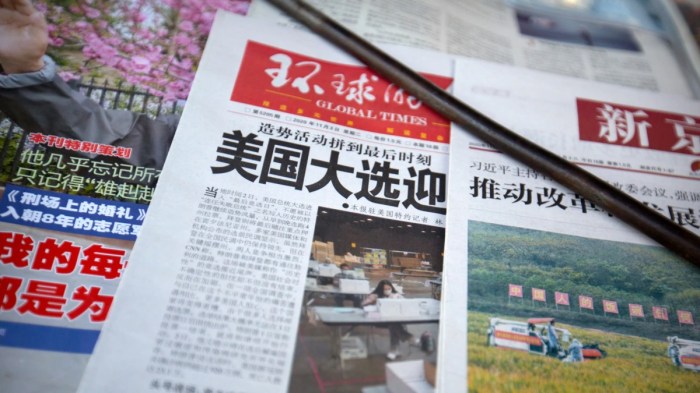
China’s remarkable economic growth has brought unprecedented prosperity to many, but it has also exacerbated existing social inequalities and created new challenges. The vast disparities in wealth and opportunity represent a significant hurdle to achieving a truly equitable and harmonious society. Understanding these social issues is crucial for comprehending the complexities of modern China.
Income Inequality and Social Mobility
Income inequality in China is a significant concern. While the middle class has expanded considerably, the gap between the wealthiest and poorest segments of the population remains vast. This disparity is reflected in access to quality education, healthcare, and housing. Limited social mobility further compounds the problem, as individuals from disadvantaged backgrounds often face significant barriers to upward advancement. For example, access to elite universities and high-paying jobs frequently relies on connections and family background rather than solely merit. This creates a system where generational wealth and privilege often perpetuate inequality.
Government Efforts to Alleviate Poverty and Improve Living Standards
The Chinese government has implemented numerous programs aimed at poverty reduction and improving living standards. The most notable is the targeted poverty alleviation campaign, which involved significant investments in infrastructure, education, and healthcare in rural areas. This initiative has demonstrably lifted millions out of poverty, but challenges remain in ensuring sustainable development and preventing a relapse into poverty. The government also continues to invest heavily in social welfare programs, including pension schemes and unemployment benefits, though coverage and adequacy vary across regions and demographics. Furthermore, initiatives focused on improving access to affordable housing and healthcare are ongoing.
China’s Approach to Social Welfare and Healthcare
China’s social welfare system is a complex mix of government-provided services and private initiatives. While the government provides basic healthcare and pension benefits, access to high-quality care often requires private insurance or out-of-pocket payments. This creates a two-tiered system where wealthier citizens enjoy significantly better healthcare options than their less affluent counterparts. Similarly, the pension system, while expanding, faces challenges in ensuring adequate retirement income for an aging population, particularly in rural areas. The government’s approach emphasizes a balance between providing basic social safety nets and promoting market-based solutions, leading to ongoing debates about the optimal level of government intervention.
Recent Social Movements and Protests
While China maintains strict control over public dissent, instances of social unrest and protests periodically occur. These often stem from grievances related to land seizures, environmental pollution, labor disputes, and corruption. While information about these events is often tightly controlled, reports from various sources indicate a pattern of localized protests, often involving residents organizing to address specific concerns. These protests highlight the underlying tensions between economic development, environmental sustainability, and social justice. The government generally responds to these protests with a combination of repression and concessions, seeking to address the underlying issues while maintaining social stability.
China’s Environmental Policies

China’s approach to environmental protection is a complex interplay of rapid economic development and the growing need to address its environmental consequences. Balancing industrial growth with ecological sustainability presents a significant challenge, one that the Chinese government is actively tackling through a multifaceted strategy involving ambitious targets, substantial investment, and evolving policy frameworks.
China’s approach to combating climate change and reducing carbon emissions involves a commitment to peak carbon emissions before 2030 and achieve carbon neutrality before 2060. This ambitious goal is supported by a range of policies aimed at transitioning to a low-carbon economy. These include significant investments in renewable energy sources, stricter emission standards for industries, and the promotion of energy efficiency measures across various sectors.
Impact of Industrialization and Urbanization on China’s Environment
Rapid industrialization and urbanization have undeniably placed immense pressure on China’s environment. Decades of rapid economic growth, fueled by heavy industry and coal-fired power plants, have resulted in widespread air and water pollution, deforestation, and land degradation. The consequences include significant health problems for millions of citizens, reduced agricultural productivity, and the loss of biodiversity. Major cities have experienced severe smog events, impacting public health and visibility. The expansion of urban areas has led to habitat loss and the disruption of ecosystems. However, it’s important to note that the government’s awareness of these issues has led to significant policy shifts in recent years.
Government Initiatives to Promote Renewable Energy and Sustainable Development
The Chinese government has implemented numerous initiatives to promote renewable energy and sustainable development. Massive investments have been made in solar and wind power, making China a global leader in renewable energy capacity. The government provides subsidies and tax incentives to encourage the adoption of renewable energy technologies. Furthermore, significant efforts are being made to improve energy efficiency in buildings, transportation, and industry. National policies also promote sustainable urban planning, aiming to create greener cities with improved air quality and public transportation. This includes initiatives focused on green building standards and the development of eco-cities.
Examples of Successful Environmental Protection Projects in China
Several successful environmental protection projects illustrate China’s progress in addressing environmental challenges. The “Grain for Green” program, launched in 1999, has significantly expanded forest cover across the country, combating desertification and improving water conservation. Efforts to improve air quality in major cities, such as Beijing, have shown positive results through stricter emission standards and the implementation of clean air action plans. The development of large-scale renewable energy projects, such as the massive solar farms in the deserts of the northwest, demonstrates China’s commitment to clean energy sources. These initiatives, while still ongoing and requiring continuous improvement, represent concrete steps toward environmental sustainability.
China’s Role in Global Affairs
China’s increasing economic and political power has significantly reshaped its role in global affairs. Its engagement with international organizations, its pursuit of specific foreign policy goals, and its expanding influence across various sectors are transforming the global landscape. Understanding China’s approach to international relations is crucial for navigating the complexities of the 21st-century world order.
China’s participation in international organizations reflects its commitment to multilateralism, albeit with its own unique characteristics. While actively participating in bodies like the United Nations, World Trade Organization, and the World Bank, China often advocates for a reformed global governance system that better reflects its growing economic and political weight. This approach sometimes leads to friction with established powers, but it also underscores China’s desire to shape the rules governing international interactions.
China’s Participation in International Organizations and Influence on Global Governance
China’s engagement with international organizations is multifaceted. It actively participates in various UN agencies, contributing financially and diplomatically. However, China also pushes for reforms within these organizations to better reflect the changing global power dynamics. For instance, China’s increasing contributions to the UN budget and peacekeeping operations have given it a stronger voice in decision-making processes. Simultaneously, its advocacy for a more multipolar world order, often challenging the existing Western-dominated structures, presents both opportunities and challenges for global governance. The Belt and Road Initiative, a massive infrastructure project spanning multiple continents, exemplifies China’s ambition to shape global connectivity and economic integration on its own terms. This initiative, while lauded by some for its potential to boost global development, has also faced criticism regarding transparency and debt sustainability in participating countries.
China’s Foreign Policy Objectives and Relationships with Other Countries
China’s foreign policy is guided by several key objectives, including maintaining national sovereignty and territorial integrity, promoting economic development, and enhancing its international standing. This is reflected in its relationships with various countries. Its relationship with the United States, for example, is characterized by both cooperation and competition, ranging from trade negotiations to strategic rivalry in areas such as technology and military capabilities. China cultivates strong ties with many developing nations through its Belt and Road Initiative and other forms of economic assistance, fostering partnerships based on mutual benefit and non-interference in internal affairs. This approach contrasts with some Western powers that often prioritize promoting democracy and human rights as core elements of their foreign policy. The South China Sea disputes illustrate the complexities of China’s foreign policy, where its pursuit of territorial claims clashes with the interests of neighboring countries and international law.
Key Areas of Increasingly Prominent Chinese Role on the World Stage
China’s influence is expanding across several key areas. Economically, its role as a major trading partner and investor is undeniable. Its participation in global supply chains, particularly in manufacturing and technology, is significant. Furthermore, China’s growing technological prowess, particularly in areas such as 5G, artificial intelligence, and renewable energy, is shaping technological standards and innovation globally. Diplomatically, China’s increasing engagement in multilateral forums and its growing influence within international organizations are transforming global governance. Its role in mediating conflicts and fostering regional cooperation, particularly in Asia and Africa, is also noteworthy. Finally, China’s increasing military capabilities and its expanding global footprint, including its naval presence and its investments in military infrastructure, contribute to its rising prominence on the world stage.
Comparison of China’s Foreign Policy Approach with Other Major Global Powers
China’s foreign policy approach differs significantly from that of other major global powers. Compared to the United States, which often emphasizes the promotion of democracy and human rights, China prioritizes national interests and non-interference in the internal affairs of other countries. While the US often employs a more unilateral approach, China favors multilateralism, although it seeks to shape multilateral institutions to reflect its interests. Compared to Russia, which often adopts a more assertive and nationalistic foreign policy, China’s approach is more nuanced and pragmatic, emphasizing economic cooperation and strategic partnerships. The European Union’s approach, focused on multilateralism and rules-based order, shares some similarities with China’s approach to international cooperation, but diverges on issues such as human rights and the rule of law. These differing approaches create both opportunities for cooperation and potential for friction in shaping the future of global affairs.
China’s Belt and Road Initiative
The Belt and Road Initiative (BRI), also known as One Belt One Road (OBOR), is a global infrastructure development strategy adopted by the Chinese government in 2013. It aims to connect Asia with Africa and Europe via land and maritime networks, improving trade and connectivity across the Eurasian continent and beyond. The initiative encompasses a vast array of projects, from high-speed railways and ports to energy pipelines and digital infrastructure.
Goals and Objectives of the Belt and Road Initiative
The BRI’s stated goals are multifaceted. Economically, it seeks to stimulate global trade and investment, creating new markets for Chinese goods and services while fostering economic growth in participating countries. Politically, the initiative aims to enhance China’s global influence and geopolitical standing, promoting a more multipolar world order. The initiative also aims to improve regional connectivity, facilitating the seamless movement of goods, people, and information across vast distances. Ultimately, the BRI envisions a more integrated and interconnected global economy, with China playing a central role.
Economic and Political Implications for Participating Countries, China news
The economic implications of the BRI are significant and varied. Participating countries can benefit from increased infrastructure investment, leading to improved transportation networks, enhanced energy security, and greater access to global markets. This can stimulate economic growth and create jobs. However, some countries may face challenges related to debt sustainability, particularly if projects are not financially viable or if debt repayments become burdensome. Politically, the BRI can strengthen ties between China and participating countries, leading to increased diplomatic cooperation and strategic partnerships. However, concerns exist regarding potential political influence and the potential for debt-trap diplomacy, where countries become overly reliant on Chinese financing and may face political pressure as a result.
Potential Challenges and Risks Associated with the Belt and Road Initiative
Several challenges and risks are associated with the BRI. Financial sustainability of projects is a major concern, with some projects facing cost overruns and delays. Environmental concerns related to the construction of large-scale infrastructure projects, such as deforestation and habitat loss, are also significant. Geopolitical risks, including regional conflicts and political instability in some participating countries, can hinder project implementation and jeopardize investments. Finally, concerns regarding transparency and accountability in project implementation and debt management remain. The lack of standardized environmental and social safeguards across projects poses a considerable risk.
Examples of Infrastructure Projects Undertaken as Part of the Initiative
The China-Pakistan Economic Corridor (CPEC) is a flagship project of the BRI, involving the construction of roads, railways, and energy infrastructure connecting China’s Xinjiang province with Pakistan’s Gwadar port. Another notable example is the construction of high-speed railways in various countries, including Indonesia and Kenya, significantly improving transportation links and regional connectivity. Furthermore, the development of new ports, such as the Hambantota Port in Sri Lanka, aims to facilitate trade and maritime connectivity. These projects, while offering significant benefits, also highlight the potential challenges and risks, particularly regarding debt sustainability and environmental impact. For example, the Hambantota port project initially faced financial difficulties, leading to a restructuring agreement with China.
The Chinese Communist Party
The Chinese Communist Party (CCP) is the ruling political party of mainland China. Its structure and influence are deeply intertwined with the nation’s political and economic systems, shaping the lives of its over 1.4 billion citizens. Understanding the CCP is crucial to comprehending modern China.
The CCP’s organizational structure is hierarchical, with power concentrated at the top. The Party Congress, held every five years, elects the Central Committee, which in turn elects the Politburo and its Standing Committee, the ultimate decision-making body. Below this apex are provincial, municipal, and county-level committees, extending the party’s reach across all levels of governance. The CCP’s functions extend far beyond simply governing; it controls the military, state-owned enterprises, and much of the media, allowing it to exert pervasive influence on all aspects of Chinese life.
The CCP’s Role in Shaping China’s Political and Economic Landscape
The CCP’s role in China’s political landscape is paramount. It holds a monopoly on power, and its ideology, officially Marxism-Leninism with Chinese characteristics, underpins the nation’s political system. The party’s control ensures political stability, though it comes at the cost of limited political pluralism and individual freedoms. Economically, the CCP’s policies have driven China’s remarkable economic growth since the late 1970s. The transition from a centrally planned economy to a “socialist market economy” under Deng Xiaoping involved significant reforms, including the introduction of Special Economic Zones and the gradual opening up of the economy to foreign investment. While the state maintains control over key sectors, the private sector has also flourished, contributing significantly to China’s economic dynamism. The CCP’s economic strategies, however, have also faced criticism for issues such as income inequality and environmental degradation.
The Impact of CCP Policies on Ordinary Chinese Citizens
The CCP’s policies have profoundly impacted the lives of ordinary Chinese citizens. Economic reforms have lifted millions out of poverty, creating a burgeoning middle class and improving living standards for many. Access to education, healthcare, and infrastructure has improved significantly in many areas. However, these improvements have not been uniformly distributed, and significant disparities remain between urban and rural areas, and between different socioeconomic groups. Furthermore, the CCP’s control over information and the suppression of dissent limit freedom of speech and expression. Issues such as social mobility, housing affordability, and environmental pollution continue to pose challenges for many citizens. The government’s extensive surveillance mechanisms, including the use of facial recognition technology and social credit systems, have raised concerns about privacy and individual liberties.
Recent Changes and Developments within the CCP
Recent years have witnessed a consolidation of power under Xi Jinping, who has emphasized the party’s central role in all aspects of national life. Xi’s “Xi Jinping Thought on Socialism with Chinese Characteristics for a New Era” has been incorporated into the CCP’s constitution, further solidifying his authority. The party has intensified its anti-corruption campaign, targeting high-ranking officials and promoting greater discipline within its ranks. There has also been a greater emphasis on national rejuvenation and the assertion of China’s influence on the world stage. These developments have resulted in a more assertive and centralized CCP, with implications for both domestic and international affairs. The ongoing focus on technological self-reliance, manifested in initiatives like “Made in China 2025,” reflects the CCP’s determination to secure China’s position as a global technological leader. This, coupled with increased emphasis on national security, has shaped the party’s domestic and foreign policy agendas.
Hong Kong and Taiwan
Hong Kong and Taiwan represent complex geopolitical situations, deeply intertwined with China’s history and its aspirations for national reunification. Both territories possess unique identities and governance structures, leading to significantly different relationships with mainland China and sparking ongoing debate about their future. Understanding these differences requires examining their historical trajectories and the current political landscape.
The political status of Hong Kong and Taiwan differs significantly. Hong Kong, a Special Administrative Region (SAR) of China since 1997, operates under the “one country, two systems” principle, guaranteeing a high degree of autonomy until 2047. Taiwan, officially the Republic of China (ROC), maintains its own government and claims to be a sovereign nation, although it lacks formal recognition from most countries. This fundamental difference in status shapes the nature of their respective relationships with mainland China.
The “One Country, Two Systems” Framework in Hong Kong
The “one country, two systems” principle, designed to maintain Hong Kong’s capitalist system and way of life for 50 years after its handover from British rule, has faced considerable challenges. The principle’s implementation has been increasingly contentious, with concerns growing about the erosion of Hong Kong’s autonomy and freedoms, particularly after the 2019 anti-extradition bill protests. These protests, sparked by a proposed law allowing extradition to mainland China, highlighted deep anxieties about the balance between Hong Kong’s autonomy and Beijing’s influence. Subsequent national security legislation enacted by Beijing in 2020 has further tightened control over Hong Kong’s political landscape.
Taiwan’s Status and Cross-Strait Relations
Taiwan’s relationship with mainland China is characterized by ongoing tension and the unresolved issue of its political status. The Chinese Communist Party (CCP) considers Taiwan a province of China, to be eventually reunified with the mainland, by force if necessary. This position is enshrined in the CCP’s official policy of “peaceful reunification, one country, two systems,” although the willingness to use force remains a significant point of contention. Conversely, Taiwan’s government maintains its own independent existence and rejects the “one country, two systems” framework. This fundamental disagreement has led to ongoing diplomatic efforts, military posturing, and economic interdependence between the two sides.
Key Historical Events Shaping the Current Situation
The First and Second Opium Wars (1839-1842 and 1856-1860) significantly impacted both Hong Kong and Taiwan. The Treaty of Nanking ceded Hong Kong Island to Britain, while subsequent treaties further expanded British control. Taiwan, initially ceded to Japan after the First Sino-Japanese War (1894-1895), became a Japanese colony until its return to China in 1945 following World War II. The Chinese Civil War’s conclusion in 1949 saw the Kuomintang (KMT) government fleeing to Taiwan, leading to the establishment of two separate Chinese administrations: the People’s Republic of China (PRC) on the mainland and the Republic of China (ROC) in Taiwan. These historical events laid the foundation for the distinct political realities of Hong Kong and Taiwan today.
Recent Political Developments
Recent years have witnessed increased assertiveness from China regarding both Hong Kong and Taiwan. In Hong Kong, the implementation of the national security law has led to the suppression of dissent and a crackdown on pro-democracy activists. In Taiwan, China has intensified military exercises and diplomatic pressure, aiming to isolate Taiwan internationally and undermine its democratic institutions. The election of Tsai Ing-wen as President of Taiwan in 2016 and 2020, representing the Democratic Progressive Party (DPP) which advocates for Taiwan’s distinct identity, has further strained relations with Beijing. The ongoing tensions highlight the fragility of peace and the significant challenges in navigating the complex political dynamics surrounding these two territories.
China’s Military Capabilities
China’s People’s Liberation Army (PLA) is the world’s largest military force, undergoing significant modernization and expansion, significantly altering the regional and global security landscape. Its capabilities extend beyond traditional warfare, encompassing cyber warfare, space capabilities, and advanced weaponry.
The Structure and Capabilities of the People’s Liberation Army (PLA)
The PLA is comprised of five major services: the Ground Force, Navy, Air Force, Rocket Force, and Strategic Support Force. The Ground Force remains the largest, responsible for land-based operations. The Navy, rapidly expanding its capabilities, includes aircraft carriers, destroyers, and submarines, projecting power throughout the Indo-Pacific region. The Air Force is modernizing its fighter jet fleet, incorporating advanced stealth technology. The Rocket Force manages China’s ballistic and cruise missile arsenal, while the Strategic Support Force focuses on cyber warfare, space, and electronic warfare. Each service is equipped with a range of modern weaponry, including advanced fighter jets, ballistic missiles, and sophisticated surveillance systems.
China’s Military Modernization Efforts and Growing Regional Influence
China’s military modernization is a multifaceted endeavor, driven by significant investment in research and development, technological acquisition, and training. This includes the development of advanced weaponry, such as hypersonic missiles and stealth aircraft, as well as improvements to command and control systems. This modernization is enhancing China’s ability to project power, particularly in the South China Sea and surrounding regions. The PLA’s increased presence in international waters and exercises with partner nations demonstrate its growing influence.
Implications of China’s Military Buildup for Regional and Global Security
China’s military buildup has significant implications for regional and global security. Increased military capabilities can lead to heightened tensions with neighboring countries, particularly those with territorial disputes in the South China Sea. The development of advanced weaponry, such as hypersonic missiles, raises concerns about potential arms races and the stability of the global strategic balance. China’s growing influence also raises questions about its intentions and its role in shaping the future international order. Concerns about potential conflict scenarios, such as a Taiwan Strait crisis, are amplified by China’s increasing military might.
Comparison of China’s Military Spending with Other Major Global Powers
The following table compares China’s military expenditure with that of other major global powers. It’s important to note that figures vary depending on the source and methodology used. These numbers represent estimates and should be interpreted cautiously.
| Country | Military Expenditure (USD Billion, Estimated) | Year | Source (Illustrative – replace with actual sources) |
|---|---|---|---|
| United States | 886 | 2023 (Estimate) | Stockholm International Peace Research Institute (SIPRI) |
| China | 292 | 2023 (Estimate) | Stockholm International Peace Research Institute (SIPRI) |
| India | 81.7 | 2023 (Estimate) | Stockholm International Peace Research Institute (SIPRI) |
| Russia | 86.4 | 2023 (Estimate) | Stockholm International Peace Research Institute (SIPRI) |
Last Point: China News
China’s rise as a global power is a complex and multifaceted phenomenon. Understanding its economic engine, technological capabilities, social dynamics, and international relations is crucial for navigating the 21st-century global landscape. This overview has attempted to provide a balanced perspective on the diverse aspects of China, highlighting both its achievements and its challenges. The future trajectory of China will undoubtedly continue to shape global events, and continued observation and analysis are essential for comprehending its evolving influence.
Recent developments in China’s economic policies are generating considerable global interest. To understand the full impact, it’s crucial to consider these shifts within the broader context of world news , particularly concerning global trade and supply chains. Ultimately, China’s actions will continue to significantly shape the international landscape, influencing everything from commodity prices to geopolitical stability.
Recent developments in China’s economic policies have garnered significant international attention. For broader global perspectives on these and other significant events, checking out resources like cnn news can provide valuable context. Understanding the international implications of China’s actions requires a multifaceted approach, incorporating diverse news sources for a complete picture.


