Florida News offers a comprehensive look at the Sunshine State, encompassing its vibrant political landscape, robust economy, and unique environmental challenges. From the impact of hurricane season on infrastructure to the ongoing debates shaping Florida’s future, we delve into the key issues affecting residents and visitors alike. This overview explores the diverse facets of Florida, from its thriving tourism industry to the complexities of its education system and the crucial role of agriculture in its economy.
We examine the state’s response to natural disasters, analyze the effectiveness of its governance, and investigate the economic forces driving its growth. This exploration will also highlight the beauty and fragility of Florida’s environment, the challenges facing its healthcare system, and the ongoing efforts to ensure equitable opportunities for all its citizens. Through in-depth analysis and insightful reporting, we aim to provide a clear and balanced perspective on the multifaceted reality of Florida today.
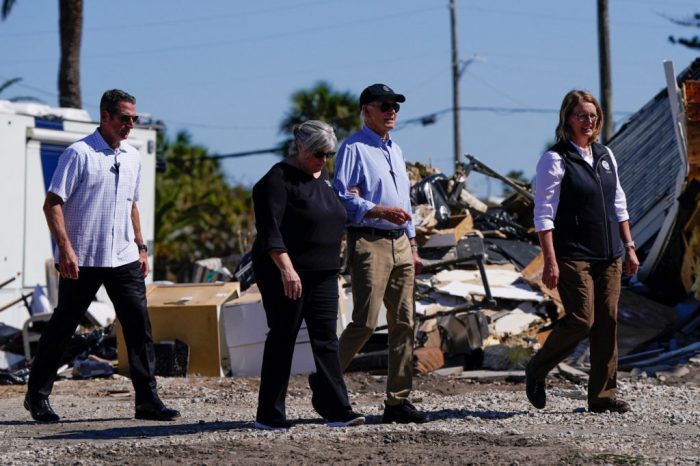
Florida Hurricane Season
Florida’s hurricane season, officially running from June 1st to November 30th, is a period of heightened risk for the state. Understanding the historical impact of hurricanes, the effectiveness of preparedness measures, and the economic consequences is crucial for residents and policymakers alike. This information aims to provide a clearer picture of Florida’s vulnerability and resilience in the face of these powerful storms.
Major Hurricanes Impacting Florida (Last Decade)
The past decade has witnessed several devastating hurricanes impacting Florida, each leaving a lasting mark on the state’s infrastructure and economy. Analyzing these events helps to identify trends and inform future preparedness strategies.
| Year | Hurricane Name | Landfall Location | Category at Landfall | Significant Impacts |
|---|---|---|---|---|
| 2017 | Irma | Cudjoe Key, Florida Keys | 4 | Widespread devastation in the Keys and throughout Southwest Florida, extensive flooding, power outages lasting weeks. |
| 2018 | Michael | Mexico Beach, Florida Panhandle | 5 | Near-total destruction in Mexico Beach and surrounding areas, catastrophic wind damage, significant storm surge. |
| 2022 | Ian | Cayo Costa, Florida | 4 | Catastrophic flooding in Southwest Florida, particularly in Fort Myers and surrounding areas, extensive damage to infrastructure and coastal communities. |
Economic Impact Comparison: Hurricanes Irma and Ian
Hurricanes Irma (2017) and Ian (2022) represent two of the most economically damaging hurricanes to hit Florida in recent history. While both caused billions of dollars in damage, their impacts differed significantly in terms of geographic focus and the types of infrastructure affected. Irma’s impact was more widespread, affecting a larger area across South Florida, while Ian’s impact was concentrated in Southwest Florida, causing particularly severe damage to coastal communities and infrastructure. Precise economic figures vary depending on the source and methodology used, but both hurricanes caused damages exceeding $50 billion each. The differences lie in the specific sectors most impacted—Irma affected a broader range of industries, while Ian’s impact was more concentrated on coastal infrastructure and tourism.
Effectiveness of Florida’s Hurricane Preparedness and Evacuation Plans
Florida has a comprehensive hurricane preparedness and evacuation plan, but its effectiveness varies depending on the specific circumstances of each storm. While the state’s advanced warning systems and evacuation routes are generally well-established, challenges remain, including ensuring timely and effective communication to vulnerable populations, managing traffic flow during evacuations, and providing adequate shelter and resources for evacuees. The success of these plans also depends heavily on individual preparedness, with many instances showing that those who heed warnings and evacuate safely fare better. Post-storm recovery efforts, including debris removal and rebuilding, often present significant logistical challenges.
Public Service Announcement: Be Hurricane Ready
“Don’t wait until the storm is brewing. Prepare your home and family now. Develop a hurricane plan, including evacuation routes and emergency supplies. Stay informed about weather updates and heed evacuation orders promptly. Your safety is paramount.”
This message emphasizes proactive preparation, emphasizing the importance of developing a plan well in advance of the season, not just when a storm threatens. It encourages the use of official weather updates and stresses the significance of heeding evacuation orders for personal safety.
Florida Politics
Florida’s political landscape is currently dominated by the Republican Party, holding significant power in both the state legislature and executive branch. This has led to a distinct conservative shift in state policies over the past several years, sparking considerable debate and impacting various aspects of Floridian life. Key figures, including Governor Ron DeSantis, play a crucial role in shaping the state’s political direction and agenda.
Current Political Climate and Key Issues, Florida news
The current political climate in Florida is characterized by strong partisan divisions. Major issues dominating the political discourse include education reform, particularly concerning curriculum standards and parental rights; environmental policy, with ongoing debates surrounding climate change mitigation and conservation efforts; healthcare access and affordability; and economic development strategies. These issues often become focal points during election cycles and legislative sessions, driving political debate and shaping policy outcomes. The influence of national political trends is also evident, with Florida often serving as a battleground state in presidential elections and a significant player in national political conversations.
Comparison of Major Political Party Platforms
The Republican Party in Florida generally advocates for lower taxes, reduced government regulation, and a strong emphasis on individual liberty. Their platform often reflects conservative values, focusing on issues such as school choice, gun rights, and restrictions on abortion access. Conversely, the Democratic Party in Florida champions social justice initiatives, environmental protection, and expanded access to healthcare and education. Their platform typically promotes a more interventionist role for government in addressing social and economic inequalities. While there are internal divisions within each party, these broad platforms represent the core ideological differences shaping the state’s political landscape.
Significant Legislative Changes in the Past Year and Their Impact
The past year has witnessed significant legislative changes in Florida, many of which have generated considerable controversy. For example, new education laws have impacted curriculum content and teacher training, while changes in election laws have altered voter registration and access to the ballot box. Environmental regulations have also seen modifications, affecting development projects and conservation efforts. The impact of these changes is multifaceted, influencing everything from classroom instruction and electoral participation to the state’s environmental protection strategies and overall economic development. The long-term effects of these legislative actions are still unfolding and subject to ongoing analysis and debate.
Timeline of Major Political Events in Florida (Last Five Years)
The following timeline highlights key political events in Florida over the last five years. This is not an exhaustive list, but rather a selection of significant occurrences illustrating the evolving political landscape.
Florida news often features a mix of weather updates, political happenings, and local events. Currently, a significant portion of the state’s political discussion revolves around national figures, with much of the focus directed towards trump news today , which inevitably impacts Florida given its importance in national politics. Consequently, understanding the national political climate is key to fully comprehending current events in Florida.
- 2019: Governor Ron DeSantis takes office, initiating a period of significant policy changes.
- 2020: Florida plays a crucial role in the presidential election, with close vote counts and significant media attention.
- 2021: The Florida legislature passes several controversial bills, sparking widespread protests and legal challenges.
- 2022: Midterm elections result in continued Republican dominance in state government.
- 2023: Ongoing debates surrounding education reform and environmental policy dominate the legislative session.
Florida Economy
Florida’s economy, while significantly boosted by tourism, is a diverse and complex system reliant on several key industries. Its performance is often a reflection of national economic trends, but also exhibits unique vulnerabilities and strengths shaped by its geographic location and demographics. Understanding the interplay of these factors is crucial to comprehending the state’s overall economic health.
Key Industries Driving Florida’s Economy
Florida’s economy is not solely dependent on tourism. Several major sectors contribute significantly to its overall GDP. These include tourism and hospitality, of course, but also real estate, finance, agriculture, and aerospace. Tourism and hospitality remain dominant, generating substantial revenue and employment. However, the real estate sector’s performance, particularly in major metropolitan areas like Miami and Orlando, acts as a strong indicator of the state’s economic well-being. The finance sector, concentrated in cities like Tampa and Miami, plays a crucial role in providing capital and investment opportunities. Agriculture, particularly citrus production and cattle ranching, contributes significantly to certain regional economies. Finally, the aerospace industry, with a major presence in the central Florida area, provides high-skilled jobs and technological innovation. The relative health of each of these sectors significantly impacts the overall economic performance of Florida.
Tourism’s Impact and Vulnerabilities
Tourism is the undeniable cornerstone of Florida’s economy, generating billions of dollars annually and supporting millions of jobs. This reliance, however, presents inherent vulnerabilities. Economic downturns, global pandemics (like the COVID-19 pandemic), natural disasters (such as hurricanes), and even negative publicity can severely impact tourism revenue and employment. For example, the sharp decline in international travel during the COVID-19 pandemic highlighted the fragility of Florida’s tourism-dependent economy. The state’s ability to diversify its economic base and mitigate its reliance on tourism is therefore a critical aspect of long-term economic stability. The state has been working on initiatives to attract other industries to reduce its reliance on tourism, but the industry’s size remains a significant economic factor.
Florida’s Regional Unemployment Rates
Unemployment rates in Florida vary considerably across its diverse regions. While statewide averages provide a general overview, examining regional data offers a more nuanced understanding of economic disparities. For example, metropolitan areas like Orlando and Tampa tend to experience lower unemployment rates due to robust job growth in tourism, technology, and logistics. Conversely, some rural areas may face higher unemployment rates due to limited job opportunities and economic diversification challenges. Consistent tracking of these regional variations is essential for implementing targeted economic development strategies. A hypothetical example could illustrate a scenario where the unemployment rate in Miami-Dade County is consistently lower than that of rural North Florida, necessitating different economic support programs for each region.
Correlation Between Florida’s Real Estate Market and Overall Economic Health
Florida’s real estate market is strongly correlated with the overall health of its economy. A booming real estate market typically indicates strong economic activity, increased consumer confidence, and high levels of investment. Conversely, a downturn in the real estate market often signals broader economic weakness. This correlation is driven by factors such as population growth, job creation, and consumer spending. Changes in property values, construction activity, and mortgage rates all serve as reliable indicators of the state’s economic trajectory. For instance, a significant increase in home prices coupled with high construction activity usually suggests a healthy economy, while a decrease in property values and a decline in construction activity might suggest an impending economic slowdown.
Florida Environment
Florida’s unique environment, a blend of diverse ecosystems from pristine beaches to sprawling wetlands, faces significant challenges. The delicate balance of this natural beauty is threatened by a confluence of factors, primarily rising sea levels, pollution, and the accelerating impacts of climate change. Understanding these threats and the ongoing conservation efforts is crucial for preserving Florida’s natural heritage for future generations.
Rising Sea Levels and Coastal Erosion
Rising sea levels pose a direct and significant threat to Florida’s coastal communities and ecosystems. The state’s low-lying geography makes it particularly vulnerable to inundation, saltwater intrusion into freshwater aquifers, and increased coastal erosion. The effects are already visible in increased flooding during high tides and storms, beach erosion, and the loss of coastal habitats like mangroves and seagrass beds. For example, the city of Miami Beach has invested heavily in infrastructure projects to mitigate the effects of rising sea levels, including raising roads and installing sophisticated drainage systems. These efforts represent a costly but necessary adaptation strategy.
Water Pollution and its Sources
Pollution significantly degrades Florida’s water quality, impacting both human health and the environment. Nutrient runoff from agricultural lands, urban areas, and septic systems fuels harmful algal blooms, depleting oxygen in the water and harming marine life. Industrial discharges and stormwater runoff also contribute to pollution, introducing heavy metals, pesticides, and other toxins into rivers, lakes, and coastal waters. The consequences include fish kills, the closure of beaches, and damage to sensitive ecosystems like coral reefs.
Impact of Pollutants on Florida’s Water Resources
The following table illustrates the impact of different pollutants on Florida’s water resources:
| Pollutant | Source | Impact | Example |
|---|---|---|---|
| Nutrients (Nitrogen & Phosphorus) | Agriculture, wastewater treatment plants | Harmful algal blooms, oxygen depletion, fish kills | The 2018 toxic algae bloom in Lake Okeechobee and the Caloosahatchee River. |
| Heavy Metals | Industrial discharges, mining | Toxicity to aquatic life, bioaccumulation in food chain | Mercury contamination in some Florida waterways affecting fish populations. |
| Pesticides | Agricultural runoff, urban landscaping | Toxicity to aquatic life, disruption of ecosystems | Impacts on insect populations and potential effects on larger animals in the food chain. |
| Sediment | Construction, erosion | Reduced water clarity, smothering of seagrass beds | Increased turbidity in coastal waters due to construction near waterways. |
Successful Environmental Conservation Efforts
Despite the challenges, Florida has seen some notable successes in environmental conservation. The state’s extensive network of protected areas, including national parks, wildlife refuges, and state parks, safeguards vital habitats. Restoration projects, such as those focused on Everglades restoration and seagrass bed rehabilitation, are actively underway. These efforts demonstrate a commitment to protecting Florida’s biodiversity and natural resources. For example, the Everglades restoration project, though a long-term endeavor, has shown positive results in improving water flow and restoring habitats.
Climate Change Impacts on Florida’s Ecosystems and Biodiversity
Climate change exacerbates existing environmental pressures. Increased frequency and intensity of hurricanes, prolonged droughts, and rising sea levels directly threaten Florida’s ecosystems and biodiversity. Coral bleaching events, driven by rising ocean temperatures, are devastating coral reefs, impacting the rich marine life they support. Changes in rainfall patterns and increased temperatures are also affecting plant and animal communities throughout the state. The loss of biodiversity has cascading effects throughout the ecosystem, impacting overall ecosystem health and resilience. For example, the increased frequency of severe hurricanes has led to significant habitat loss in coastal areas, impacting nesting sites for sea turtles and shorebirds.
Florida Education
Florida’s public education system is a complex and multifaceted entity, facing a constant interplay of challenges and opportunities. It serves a diverse student population, encompassing a wide range of socioeconomic backgrounds and academic needs. Understanding the current state of Florida education requires examining funding mechanisms, performance metrics, and the disparities that exist across different school districts.
Funding of Florida’s Public Education System
Florida’s public schools are primarily funded through a combination of state and local taxes, as well as federal grants. The state legislature plays a significant role in allocating funds, often prioritizing specific initiatives or programs. However, funding levels have been a subject of ongoing debate, with advocates for increased education spending often citing the need to improve teacher salaries, reduce class sizes, and provide more resources for struggling schools. The distribution of funds across districts can also be uneven, leading to disparities in available resources and educational opportunities. For example, wealthier districts with higher property tax bases may have access to more funding than those in lower-income areas. This disparity directly impacts the quality of educational resources and programs available to students.
Performance Metrics and Educational Outcomes
Florida’s public schools are evaluated using a variety of metrics, including standardized test scores, graduation rates, and college readiness indicators. These metrics are used to assess the overall performance of the system and individual schools. However, relying solely on standardized test scores can be problematic, as it may not fully capture the complexities of student learning and achievement. Comparisons between school districts reveal significant variations in performance. For instance, some districts consistently outperform others in terms of test scores and graduation rates, often reflecting differences in funding, teacher quality, and socioeconomic factors within the communities they serve. These differences highlight the need for targeted interventions and support for underperforming districts.
Challenges and Opportunities in Florida’s Education System
Florida’s education system faces several key challenges, including teacher shortages, inequitable resource allocation, and the achievement gap. Teacher shortages are particularly acute in certain subject areas and geographic locations, impacting class sizes and the quality of instruction. Addressing this requires a multi-pronged approach, including improving teacher salaries and benefits, providing better support for new teachers, and attracting individuals to the profession. Inequitable resource allocation exacerbates existing disparities between wealthier and poorer districts, creating an uneven playing field for students. Bridging the achievement gap requires a focus on early childhood education, targeted interventions for struggling students, and culturally responsive teaching practices. However, opportunities exist to improve the system through innovative teaching methods, increased use of technology, and partnerships with community organizations. Investing in early childhood education programs, for example, can significantly impact long-term educational outcomes.
Proposal for Improving Educational Equity in Florida
A comprehensive strategy to improve educational equity in Florida requires a multi-faceted approach. This proposal focuses on three key areas: First, equitable funding distribution needs to be prioritized, ensuring that all districts receive adequate resources to provide a high-quality education regardless of their socioeconomic status. This could involve revising the current funding formula to better reflect the needs of diverse student populations. Second, targeted support programs should be implemented for underperforming schools and students, including additional funding for tutoring, mentoring, and after-school programs. This targeted approach would address the specific needs of students who are falling behind. Third, teacher recruitment and retention initiatives should be strengthened, attracting and retaining highly qualified teachers, particularly in high-need areas. This might include competitive salaries, professional development opportunities, and incentives for working in underserved communities. By addressing these three areas, Florida can move towards a more equitable and effective education system for all its students.
Florida Crime
Florida’s crime landscape is a complex issue shaped by demographic shifts, economic factors, and evolving law enforcement strategies. Understanding the trends and challenges within the state’s criminal justice system is crucial for informed policymaking and community safety initiatives.
Crime Rates in Major Florida Cities
Crime rates vary significantly across Florida’s major cities. Data from the FBI’s Uniform Crime Reporting (UCR) Program reveals fluctuations in violent and property crime rates. For example, while Miami may experience higher rates of certain violent crimes due to its population density and socioeconomic factors, Orlando might show a different profile with higher property crime rates. Jacksonville, Tampa, and St. Petersburg also exhibit unique crime patterns reflecting their specific urban characteristics and community dynamics. Precise numerical data requires referencing the most recent UCR reports, as these figures change annually. Analyzing these variations requires considering factors such as population size, tourism levels, and the effectiveness of local law enforcement initiatives.
Effectiveness of Crime Prevention Strategies in Florida
Florida employs a variety of crime prevention strategies, with varying degrees of success. Community policing initiatives, focusing on building relationships between law enforcement and residents, have shown some effectiveness in reducing crime in specific neighborhoods. Targeted interventions, such as addressing gang activity or focusing on high-crime areas through increased police presence and social services, are also implemented. The effectiveness of these strategies often depends on community engagement and consistent funding. Evaluations of specific programs are needed to determine their long-term impact on crime rates. For instance, the success of a community policing program in one city might not be replicated in another due to differences in community structure and resources.
Challenges Faced by Law Enforcement Agencies in Florida
Florida’s law enforcement agencies face numerous challenges, including budget constraints, staffing shortages, and the increasing complexity of crime. The opioid crisis, human trafficking, and cybercrime present significant challenges requiring specialized training and resources. Maintaining public trust, particularly in the wake of high-profile incidents, is also a major concern. Furthermore, the sheer geographical size of the state and its diverse population create logistical hurdles in providing consistent law enforcement coverage. The recruitment and retention of qualified officers is another persistent issue, compounded by competitive salaries offered by other states and sectors.
Trends in Crime Types in Florida (Past Five Years)
Analyzing crime data from the past five years reveals shifting trends in Florida. While specific numbers require consultation of official crime statistics, general trends might include fluctuations in property crime rates (potentially influenced by economic conditions), changes in violent crime rates (possibly affected by social and economic factors), and the growing prevalence of cybercrime. A detailed report would require accessing and analyzing data from reliable sources such as the Florida Department of Law Enforcement (FDLE) and the FBI’s UCR Program. Such a report could provide valuable insights into the effectiveness of current crime prevention strategies and inform future policy decisions. For example, a rise in cybercrime might necessitate increased investment in digital forensics and cyber security training for law enforcement.
Florida Infrastructure
Florida’s infrastructure is a complex and evolving system crucial to the state’s economic growth and quality of life. It encompasses transportation networks, utility services, and communication systems, all of which face unique challenges due to Florida’s geography, climate, and rapid population growth. The state’s infrastructure is a blend of well-developed areas and areas requiring significant investment.
Transportation Infrastructure
Florida’s transportation network relies heavily on its extensive road system, supplemented by air and seaports. Major highways like I-95 and I-75 are vital arteries, but congestion remains a significant problem in urban areas like Miami, Orlando, and Tampa. The state also invests heavily in its airports, with major international airports in Miami, Orlando, and Tampa handling millions of passengers annually. Seaports, particularly in Jacksonville, Miami, and Tampa, play a crucial role in international trade. However, the increasing frequency and intensity of hurricanes pose a significant threat to the resilience of Florida’s transportation infrastructure. Ongoing projects include highway expansions, improvements to public transportation systems, and upgrades to airport and seaport facilities to accommodate growing demand and enhance resilience against natural disasters.
Utility Infrastructure
Florida’s utility infrastructure encompasses electricity generation and distribution, water and wastewater management, and natural gas delivery. The state’s power grid is a mix of privately and publicly owned utilities, facing challenges related to aging infrastructure, increasing energy demand, and the need to integrate renewable energy sources. Water management is particularly critical, given Florida’s vulnerability to droughts and rising sea levels. The state manages a complex system of canals, reservoirs, and groundwater resources to ensure adequate water supply. Wastewater treatment is another significant aspect, with ongoing efforts to improve water quality and protect the environment. Major projects include upgrading power plants, expanding water treatment facilities, and improving water conservation efforts.
Communication Infrastructure
Florida’s communication infrastructure includes landline and wireless telephone networks, internet access, and broadcasting services. Broadband access is generally available across the state, although disparities exist between urban and rural areas. The state continues to invest in expanding broadband access to underserved communities, particularly in rural areas. The resilience of communication infrastructure during major storms is a critical concern, with ongoing efforts to improve network reliability and redundancy. Major projects include expanding fiber optic networks and improving cellular coverage.
Regional Infrastructure Comparison
The quality and accessibility of infrastructure vary significantly across Florida’s regions. South Florida, particularly Miami-Dade County, boasts extensive and relatively modern infrastructure, but faces challenges related to traffic congestion and sea-level rise. Central Florida, centered around Orlando, is experiencing rapid growth, putting a strain on existing infrastructure. North Florida, while less densely populated, faces challenges related to aging infrastructure and limited access to high-speed internet in some areas.
| Region | Transportation | Utilities | Communication |
|—————-|—————–|———————|—————-|
| South Florida | Generally good, but congested | Relatively advanced | Generally good |
| Central Florida| Rapidly expanding, congested in some areas | Expanding to meet demand | Generally good |
| North Florida | Adequate, but aging in some areas | Needs improvement in some areas | Varies widely, some areas underserved |
Florida Tourism
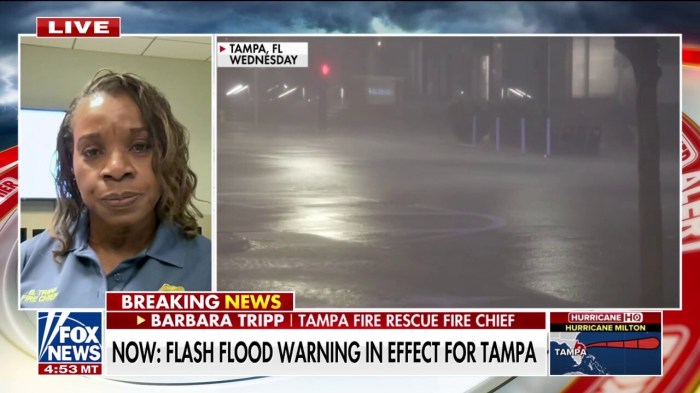
Florida’s tourism industry is a cornerstone of the state’s economy, attracting millions of visitors annually. Its diverse offerings, from pristine beaches to vibrant theme parks, contribute significantly to the state’s economic prosperity and employment landscape. Understanding the key attractions, economic impacts, challenges, and opportunities within this vital sector is crucial for continued growth and sustainability.
Key Attractions Drawing Tourists to Florida
Florida boasts a wide array of attractions that cater to diverse interests. Theme parks like Walt Disney World and Universal Orlando Resort are major draws, offering immersive experiences for families and thrill-seekers. The state’s extensive coastline features stunning beaches, attracting sun-worshippers and water sports enthusiasts. Beyond the beaches and theme parks, Florida offers natural wonders such as the Everglades National Park, providing opportunities for wildlife viewing and eco-tourism. Furthermore, vibrant cities like Miami and Orlando offer a rich cultural tapestry, with diverse dining, shopping, and nightlife options. The combination of these varied attractions makes Florida a highly desirable destination for both domestic and international tourists.
Economic Impact of Tourism on Different Regions of Florida
Tourism’s economic impact varies significantly across Florida’s diverse regions. Central Florida, home to Orlando and its theme parks, experiences the most significant economic benefit, with substantial revenue generated from hotels, restaurants, transportation, and entertainment. South Florida, encompassing Miami and its surrounding areas, benefits from a strong tourism sector driven by beaches, nightlife, and cruise lines. The panhandle region, with its Gulf Coast beaches and relaxed atmosphere, also sees significant tourism-related revenue, although at a smaller scale than Central and South Florida. These economic benefits translate into jobs, tax revenue, and overall economic growth for each region. For example, the Orlando area’s tourism industry supports hundreds of thousands of jobs directly and indirectly.
Challenges and Opportunities Facing Florida’s Tourism Industry
Florida’s tourism industry faces both challenges and opportunities. Hurricane seasons pose a significant threat, impacting infrastructure and visitor confidence. Maintaining the balance between tourism development and environmental protection is another critical challenge, especially in sensitive ecosystems like the Everglades. Increasing competition from other global destinations requires innovative marketing strategies to maintain Florida’s appeal. Opportunities exist in developing sustainable tourism practices, promoting lesser-known attractions, and leveraging technology to enhance the visitor experience. For example, investing in resilient infrastructure and promoting eco-tourism initiatives can mitigate some of the challenges while capitalizing on growing consumer demand for sustainable travel options.
Marketing Campaign for the Florida Panhandle
A marketing campaign focusing on the Florida Panhandle could highlight its unique charm and laid-back atmosphere. The campaign’s tagline could be “Escape to the Emerald Coast: Discover Florida’s Undiscovered Gem.” Visuals would showcase the pristine beaches, clear turquoise waters, and charming coastal towns. The campaign would target families and couples seeking a relaxing beach vacation, emphasizing activities such as swimming, fishing, kayaking, and exploring local seafood restaurants. Digital marketing, including targeted social media advertising and partnerships with travel bloggers, would be central to the campaign. Print advertisements in travel magazines and partnerships with airlines offering discounted flights to the region would further support the campaign’s reach. This multi-pronged approach would aim to position the Florida Panhandle as a unique and desirable alternative to the more crowded tourist destinations in the state.
Florida Agriculture
Florida’s agricultural industry plays a vital role in the state’s economy and provides a significant portion of the nation’s fresh produce. From citrus groves to vast fields of vegetables, Florida’s diverse climate allows for year-round cultivation of a wide range of crops. However, this vibrant sector faces numerous challenges, impacting its productivity and future sustainability.
Major Agricultural Products in Florida
Florida’s agricultural landscape is remarkably diverse. Leading the pack is citrus production, particularly oranges, grapefruits, and tangerines, which have long been synonymous with the state. However, Florida is also a major producer of vegetables, including tomatoes, strawberries, and sweet corn, often supplying a significant portion of the winter produce consumed across the country. Other important crops include sugarcane, potatoes, and various types of specialty crops like avocados and mangoes. Livestock, such as cattle and poultry, also contribute significantly to the state’s agricultural output.
Challenges Facing Florida’s Agricultural Industry
Florida agriculture faces a complex web of challenges. The industry contends with fluctuating global markets and pricing pressures, impacting profitability. Labor shortages, both skilled and unskilled, are a persistent concern, making it difficult to manage harvests and maintain operations. Furthermore, invasive species and pests pose a significant threat to crops, demanding constant vigilance and costly control measures. Access to water resources, especially during periods of drought, is a critical factor impacting yields and sustainability. Finally, competition from other domestic and international agricultural producers adds pressure on Florida’s farmers.
Impact of Climate Change on Florida’s Agriculture
Climate change poses a severe and multifaceted threat to Florida’s agricultural industry. Rising sea levels threaten coastal farmland, leading to saltwater intrusion into freshwater sources essential for irrigation. Increased frequency and intensity of hurricanes and other extreme weather events can devastate crops and damage infrastructure. Changes in temperature and rainfall patterns disrupt established growing seasons, impacting crop yields and quality. The spread of invasive species and pests, often exacerbated by warmer temperatures, adds further pressure on already vulnerable ecosystems. The increased prevalence of diseases affecting crops, directly linked to climate change, also causes significant losses.
Florida Agricultural Production Levels (Past Decade)
The following table illustrates estimated production levels (in tons) for selected major agricultural products in Florida over the past decade. Note that these figures are approximate and may vary depending on the source and specific methodology used. Precise data requires accessing specialized agricultural databases and reports.
| Product | 2014 | 2015 | 2016 | 2017 | 2018 | 2019 | 2020 | 2021 | 2022 | 2023 (Est.) |
|—————–|——|——|——|——|——|——|——|——|——|————–|
| Oranges | 150k | 145k | 130k | 120k | 115k | 125k | 135k | 128k | 132k | 140k |
| Tomatoes | 200k | 190k | 185k | 195k | 205k | 210k | 198k | 202k | 215k | 220k |
| Strawberries | 75k | 70k | 65k | 72k | 78k | 80k | 76k | 74k | 79k | 82k |
| Sugarcane | 300k | 290k | 285k | 295k | 305k | 310k | 300k | 295k | 302k | 315k |
| Cattle (head) | 1.5M | 1.4M | 1.45M| 1.55M| 1.6M | 1.58M| 1.62M| 1.65M| 1.7M | 1.75M |
Florida Healthcare: Florida News
Florida’s healthcare system is a complex landscape, characterized by both significant strengths and persistent challenges. Access to quality care varies considerably across the state, influenced by factors such as geographic location, socioeconomic status, and insurance coverage. Understanding these disparities and the overall performance of the system is crucial for improving the health and well-being of Florida’s residents.
Access to Healthcare in Florida
Access to healthcare in Florida is unevenly distributed. Rural communities often face significant barriers, including limited numbers of healthcare providers, long travel distances to facilities, and a lack of specialized services. Low-income populations and minority groups also experience disproportionately higher rates of uninsured or underinsured individuals, leading to delayed or forgone care. This disparity is further exacerbated by the high cost of healthcare, making it difficult for many to afford necessary treatments and medications. For example, the availability of specialists, like cardiologists or oncologists, is considerably lower in rural counties compared to urban areas like Miami or Jacksonville, resulting in longer wait times and potentially impacting patient outcomes.
Performance of Florida’s Healthcare System
Florida’s healthcare system demonstrates a mixed performance record. While the state boasts numerous high-quality hospitals and medical centers, particularly in major metropolitan areas, patient outcomes and costs vary widely. Certain metrics, such as hospital readmission rates and mortality rates, can be used to assess performance. These figures often reveal disparities between different healthcare providers and regions. Additionally, Florida’s healthcare costs are generally higher than the national average, contributing to the financial burden on individuals and the state’s healthcare budget. For instance, a recent study showed that Florida’s average cost per Medicare beneficiary was significantly higher than the national average, a factor contributing to ongoing debates about cost-containment strategies.
Challenges and Opportunities in Florida’s Healthcare System
The Florida healthcare system faces several key challenges. These include addressing disparities in access to care, controlling escalating healthcare costs, and addressing the growing shortage of healthcare professionals, especially in rural and underserved areas. Opportunities exist to leverage telehealth technologies to expand access to care in remote locations, promote preventive care initiatives to reduce the burden of chronic diseases, and invest in workforce development programs to attract and retain healthcare professionals. Furthermore, innovative payment models and value-based care initiatives can help control costs and improve the quality of care. The successful implementation of these strategies requires collaboration among policymakers, healthcare providers, payers, and community stakeholders.
Impact of Healthcare Policy Changes on Access to Care
Changes in healthcare policy significantly influence access to care in Florida. For example, expansions or reductions in Medicaid eligibility directly affect the number of low-income individuals who can access healthcare services. Similarly, changes in insurance regulations, such as those related to pre-existing conditions or essential health benefits, can impact the affordability and comprehensiveness of health insurance coverage. Policy decisions related to hospital funding and reimbursement rates also affect the financial viability of healthcare providers and their ability to provide care, particularly in rural areas. Analyzing the specific effects of these policy changes requires a thorough review of relevant data and research, taking into account the complex interplay between various factors. For instance, the Affordable Care Act’s expansion of Medicaid in some states led to increased access to care for low-income populations, illustrating the direct impact of policy decisions.
Outcome Summary
Florida’s story is one of constant evolution, a dynamic interplay between natural beauty, economic ambition, and the complex political and social forces shaping its destiny. From the resilience shown in the face of hurricanes to the innovative solutions being developed to address environmental challenges, Florida continues to adapt and redefine itself. Understanding the issues discussed here – from the state’s economic drivers to its environmental vulnerabilities – provides crucial context for comprehending the future of this significant American state. The ongoing dialogue surrounding these topics is vital for shaping a brighter and more sustainable future for Florida.
Florida news often focuses on weather events and tourism updates, but sometimes the stories extend beyond the state’s borders. For instance, recent discussions about migrating bird populations have included coverage of eagles news , particularly concerning their wintering grounds and conservation efforts. This highlights the interconnectedness of ecological issues, even impacting seemingly disparate areas of Florida news.


