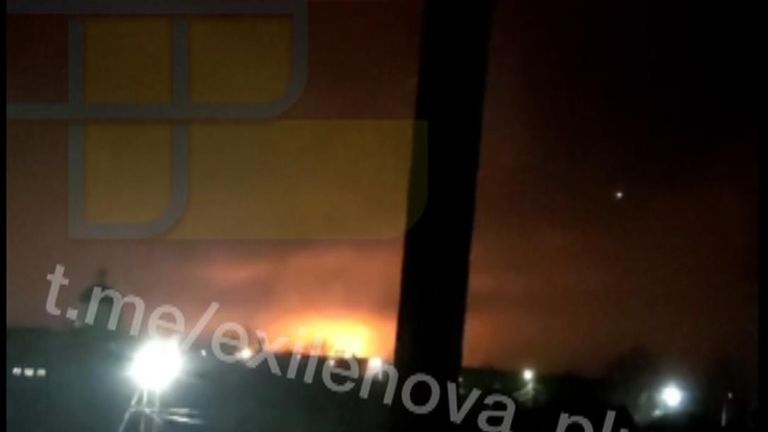
Russia News dominates global headlines, a complex tapestry woven from economic shifts, geopolitical maneuvering, and internal social dynamics. This report delves into the multifaceted realities shaping modern Russia, examining its economic resilience in the face of sanctions, its evolving relationships with key global players, and the internal political and social landscapes.
From the impact of the ongoing war in Ukraine to Russia’s role in global energy markets and its technological advancements, we provide a nuanced perspective on current events, drawing upon various credible sources to offer a comprehensive and balanced view. We analyze the interplay between domestic policies and international relations, exploring how internal social issues influence Russia’s foreign policy and vice-versa.
Russia’s Economy
Russia’s economy, heavily reliant on energy exports, has faced significant challenges in recent years, primarily due to international sanctions imposed following the 2022 invasion of Ukraine. While demonstrating resilience in certain areas, the economy has also experienced considerable strain across various sectors. This analysis will examine the current state of the Russian economy, focusing on key sectors, the impact of sanctions, government responses, and comparisons with other major global economies.
Current State of Key Economic Sectors
The Russian economy is characterized by a significant concentration in the energy sector, particularly oil and natural gas, which historically contributed substantially to GDP and export earnings. However, sanctions have severely impacted this sector, reducing export volumes and revenue. The agricultural sector, while showing relative strength, faces challenges in accessing international markets and securing necessary inputs. The manufacturing sector has also been affected by sanctions, hindering access to crucial technologies and components. The services sector, while more diversified, has experienced slower growth due to reduced consumer spending and investment. Overall, the Russian economy exhibits a significant dependence on raw material exports, making it vulnerable to external shocks.
Impact of Sanctions on Economic Sectors
Western sanctions have had a profound impact across various sectors. The energy sector has been particularly hard hit, with restrictions on oil and gas exports leading to reduced revenues and impacting the national budget. Financial sanctions have limited access to international capital markets, increasing borrowing costs for businesses and the government. Technological sanctions have restricted access to crucial technologies and components, impacting the manufacturing and other technology-dependent sectors. The impact on specific sectors varies, but the overall effect has been a contraction in economic activity and increased inflation. For example, the automotive industry has faced severe difficulties due to the lack of access to imported parts.
Government Response to Economic Challenges
The Russian government has implemented various measures to mitigate the impact of sanctions and support the economy. These include fiscal stimulus packages aimed at supporting businesses and households, measures to promote import substitution, and efforts to diversify export markets. The central bank has also played a key role in managing inflation and maintaining financial stability. However, the effectiveness of these measures has been debated, with some arguing that they have been insufficient to fully offset the negative impact of sanctions. The government’s focus on self-sufficiency and reduced reliance on Western markets is a significant long-term strategy, but its success remains uncertain.
Comparison with Other Major Global Economies
Compared to other major global economies, Russia’s economic performance has been significantly weaker in recent years. The imposition of sanctions has led to a contraction in GDP and a decline in living standards. While some sectors have shown resilience, the overall economic outlook remains challenging. The dependence on raw material exports and limited diversification continue to expose the Russian economy to external vulnerabilities. In contrast, many other major economies have experienced more robust growth and diversification, demonstrating greater resilience to global economic shocks. This highlights the need for Russia to implement structural reforms to enhance economic diversification and reduce its vulnerability to sanctions and global economic fluctuations.
Geopolitical Relations
Russia’s geopolitical landscape is currently marked by a complex web of relationships, significantly impacting global stability. The country’s actions in recent years have led to both cooperation and confrontation with key global players, creating a volatile and unpredictable international environment. Understanding these relationships and their consequences is crucial for comprehending the current global order.
Russia’s foreign policy decisions have far-reaching implications, affecting not only its immediate neighbors but also global security, trade, and international norms. The evolving dynamics between Russia and other nations necessitate a careful examination of the current situation and its potential ramifications.
Russia-China Relations
The relationship between Russia and China has deepened considerably in recent years, characterized by increased economic cooperation and strategic alignment. Both countries have expressed shared concerns about the perceived dominance of the United States and have engaged in joint military exercises and diplomatic initiatives. This partnership, however, is not without its complexities, as each nation maintains its own national interests. For example, while both benefit from increased trade, there are potential future conflicts over resource control in Central Asia.
Russia-United States Relations
Relations between Russia and the United States remain deeply strained, characterized by mutual distrust and accusations of interference in each other’s affairs. The ongoing conflict in Ukraine has significantly exacerbated tensions, leading to sanctions imposed by the US and its allies against Russia. Furthermore, disagreements over arms control, cyber security, and human rights further complicate the relationship, limiting the potential for future cooperation. The potential for miscalculation and escalation remains a significant concern.
Russia-European Union Relations
The EU and Russia’s relationship has deteriorated dramatically following Russia’s annexation of Crimea in 2014 and the ongoing conflict in Ukraine. The EU has imposed significant sanctions on Russia, impacting various sectors of the Russian economy. Dialogue and cooperation have been severely limited, with significant disagreements on issues such as energy security, human rights, and democratic values. The future of this relationship remains uncertain, dependent on Russia’s actions and the willingness of the EU to engage in meaningful dialogue.
Impact of Russia’s Actions on Global Stability
Russia’s actions, particularly its involvement in the conflict in Ukraine, have significantly destabilized the international order. The war has caused a humanitarian crisis, displaced millions, and led to a global energy crisis. Furthermore, the conflict has raised concerns about the potential for wider regional conflicts and the erosion of international norms. The use of force to achieve geopolitical objectives has undermined international law and increased the risk of further escalation.
International Responses to Recent Russian Foreign Policy Decisions
The international community has responded to Russia’s actions with a range of measures, including sanctions, diplomatic condemnations, and increased military support for Ukraine. The response has been uneven, however, with some countries maintaining closer ties with Russia due to economic or geopolitical considerations. The effectiveness of these responses remains a subject of ongoing debate, with ongoing discussions on how best to address the situation and prevent further escalation.
Timeline of Significant Geopolitical Events Involving Russia (Past Year)
The past year has witnessed a rapid succession of significant events shaping Russia’s geopolitical standing. These events highlight the dynamic and often unpredictable nature of international relations involving Russia.
| Date | Event | Significance |
|---|---|---|
| February 24, 2022 | Full-scale invasion of Ukraine | Marked a significant escalation in the Russo-Ukrainian conflict, triggering widespread international condemnation and sanctions. |
| September 2022 | Referendums in occupied Ukrainian territories | Russia-backed referendums in occupied territories led to their purported annexation by Russia, further escalating the conflict. |
| October 2022 | Partial mobilization in Russia | Russia announced a partial mobilization of its reserves, signaling a significant escalation of the war effort. |
| Various dates throughout 2023 | Continued fighting in Ukraine and ongoing sanctions | The conflict continues with ongoing military operations and sustained international sanctions against Russia. |
Domestic Politics
The current political climate in Russia is characterized by a strong centralized authority under President Vladimir Putin, who has been in power for over two decades. This system, while exhibiting elements of stability, also faces challenges stemming from internal dissent, economic pressures, and evolving geopolitical dynamics. Understanding the interplay of key figures and recent events is crucial to grasping the complexities of contemporary Russian domestic politics.
The Russian political system is a semi-presidential republic, with power heavily concentrated in the executive branch. While a parliament (the State Duma) exists, its role is largely subordinate to the President’s authority. This concentration of power has been a defining feature since the early 2000s, marking a significant departure from the more turbulent political landscape of the 1990s.
Recent Russia news focuses heavily on the ongoing conflict in Ukraine and its global implications. However, the international community’s attention is also significantly drawn to the humanitarian crisis unfolding in Gaza, as reported by detailed accounts from gaza news sources. This highlights the interconnectedness of global conflicts and the challenges faced in addressing multiple crises simultaneously, further complicating Russia’s strategic position on the world stage.
Key Figures in the Russian Political System
Several individuals hold significant influence within the Russian political system. Beyond President Putin, figures like Prime Minister Mikhail Mishustin, who oversees the government’s day-to-day operations, and key members of the Security Council, such as Secretary Nikolai Patrushev, play crucial roles in shaping policy and maintaining stability. The influence of these individuals extends beyond their formal titles, encompassing networks of patronage and informal power structures.
Recent news from Russia has dominated headlines, impacting various global sectors. The situation naturally leads to speculation about its broader effects, including on seemingly unrelated areas like international sports. For instance, one might consider the implications for the upcoming F1 season by checking out the latest f1 news , given the global nature of the sport and its previous involvement with Russian sponsors.
Ultimately, the ripple effects of Russian events continue to be felt worldwide.
Recent Significant Political Events
Recent years have witnessed several significant political events shaping the domestic landscape. The ongoing war in Ukraine has significantly impacted the political climate, leading to increased internal repression and a tightening of controls on dissent. Legislative changes, such as those impacting non-governmental organizations (NGOs) and independent media outlets, reflect this trend. Furthermore, the consolidation of power within the ruling United Russia party continues to solidify the existing political order.
Comparison with Previous Regimes
The current political system contrasts sharply with the chaotic period immediately following the collapse of the Soviet Union. The 1990s were marked by economic instability, political fragmentation, and power struggles between various factions. The current regime, under Putin’s leadership, prioritizes stability and strong central control, a stark contrast to the relative weakness of the state during the Yeltsin era. While the current system provides a degree of predictability, it also restricts political pluralism and individual freedoms to a significant extent.
Social Issues
Gauging public opinion in Russia presents a complex challenge due to the country’s unique political and media landscape. Understanding the prevailing sentiments requires careful consideration of the government’s influence on information dissemination and the limitations placed on free expression. While independent polling data is scarce and often unreliable, a combination of available information, anecdotal evidence, and expert analysis allows for a reasonable assessment of key social issues and public perception.
Public opinion is significantly shaped by the controlled media environment. State-controlled television and news outlets dominate the information landscape, presenting a narrative largely aligned with the government’s agenda. Independent media outlets face significant restrictions, including censorship, legal challenges, and financial pressures, limiting their reach and impact. This controlled information flow inevitably influences public perception of political leaders, government policies, and socio-economic issues.
Media’s Role in Shaping Public Perception
The Russian media landscape is characterized by a strong state presence. State-owned television channels like Channel One and Rossiya 1 reach a vast audience, providing a consistent stream of information that often reflects the government’s perspective. These channels rarely offer critical analysis or alternative viewpoints, contributing to a homogenized public discourse. Conversely, independent media outlets, while striving to offer diverse perspectives, operate under significant constraints. These limitations often manifest as self-censorship to avoid legal repercussions or financial penalties. This creates an uneven playing field where state-controlled media overwhelmingly dominates the public sphere. The result is a population largely exposed to a single, often pro-government, narrative.
Impact of Censorship and Media Control on Public Discourse
Censorship and media control directly stifle open dialogue and the free exchange of ideas. The suppression of dissenting voices creates a climate of fear, where individuals may be hesitant to express opinions that deviate from the official narrative. This limitation on public discourse inhibits critical thinking, limits the ability to hold the government accountable, and ultimately hinders societal progress. For example, critical reporting on the war in Ukraine is heavily censored, limiting public access to alternative perspectives and fostering a more unified, albeit potentially misinformed, public opinion. The lack of open debate prevents the emergence of diverse viewpoints and hinders constructive criticism of government policies.
Prevalent Social Issues and Concerns
Several key social issues consistently feature in public discourse, although their prominence may vary depending on the prevailing political climate and media coverage. Economic hardship, particularly inflation and rising living costs, remains a significant concern for many Russians. Healthcare access and quality are also persistent issues, with significant regional disparities. Concerns about corruption and lack of transparency in government continue to resonate, despite official efforts to address these issues. Finally, while patriotism and national pride are often emphasized in state media, underlying anxieties about the country’s future and its place in the world are evident in various forms of social commentary. These anxieties are often indirectly expressed through online forums and social media platforms, where citizens engage in more private conversations about their concerns.
Military Activities
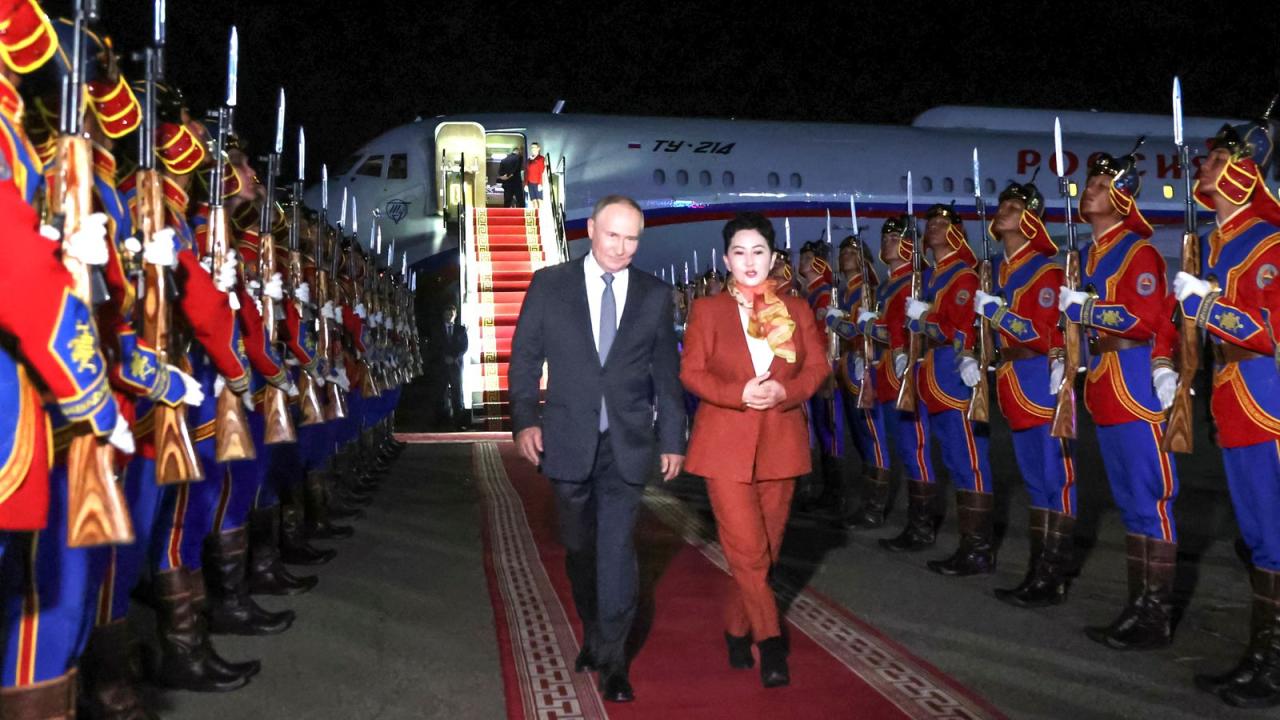
Russia’s military capabilities and strategic objectives are multifaceted and constantly evolving. Understanding its military posture requires analyzing its conventional forces, nuclear arsenal, and its overall strategic doctrine, which emphasizes territorial defense and the projection of power within its sphere of influence. This is further complicated by the ongoing conflict in Ukraine, which has significantly impacted Russia’s military resources and global perception.
Russia possesses a large and relatively well-equipped military, though its technological sophistication lags behind that of some Western nations. Its strategic objectives center on maintaining its great power status, securing its borders, and countering perceived threats from NATO expansion and Western influence. These objectives are reflected in its military deployments, exercises, and modernization programs.
Recent Military Exercises and Deployments
Russia regularly conducts large-scale military exercises, often involving multiple branches of its armed forces. These exercises serve not only to maintain readiness but also to demonstrate military capabilities and send signals to both domestic and international audiences. Recent exercises have focused on testing readiness for various scenarios, including large-scale conflict and counter-terrorism operations. The frequency and scale of these exercises have increased in recent years, particularly in regions bordering NATO countries. For example, the Zapad exercises, while officially described as routine, have often been the subject of international scrutiny due to their proximity to NATO borders and the perceived potential for escalation. Deployment of troops and equipment to various regions, including the Arctic and the Black Sea, reflect Russia’s commitment to maintaining a strong military presence in strategically important areas.
Impact of Military Actions on Regional Stability
Russia’s military actions, particularly the ongoing conflict in Ukraine, have significantly destabilized the region. The conflict has led to a large-scale humanitarian crisis, displacement of populations, and increased tensions between Russia and the West. Furthermore, the conflict has had ripple effects throughout Eastern Europe, impacting regional security arrangements and international relations. The annexation of Crimea in 2014 and the subsequent conflict in Donbas have dramatically altered the geopolitical landscape, leading to increased military spending by neighboring countries and a strengthening of NATO’s eastern flank. This heightened military activity and the resulting uncertainty have had a significant negative impact on regional stability.
Russia’s Military Modernization Efforts and Their Implications
Russia has been actively engaged in a program of military modernization aimed at improving its technological capabilities and enhancing its overall military effectiveness. This modernization includes the development and deployment of advanced weaponry, such as hypersonic missiles and next-generation fighter jets. The implications of these modernization efforts are significant. The development of advanced weaponry has increased Russia’s military power projection capabilities, potentially altering the balance of power in certain regions. However, the modernization program has also been costly and has placed a strain on Russia’s economy. The success of Russia’s modernization efforts remains to be seen, and its impact on regional and global stability is a subject of ongoing debate and analysis. Furthermore, the sanctions imposed on Russia following its actions in Ukraine have impacted its ability to acquire certain advanced technologies, potentially hindering its modernization efforts.
Energy Sector
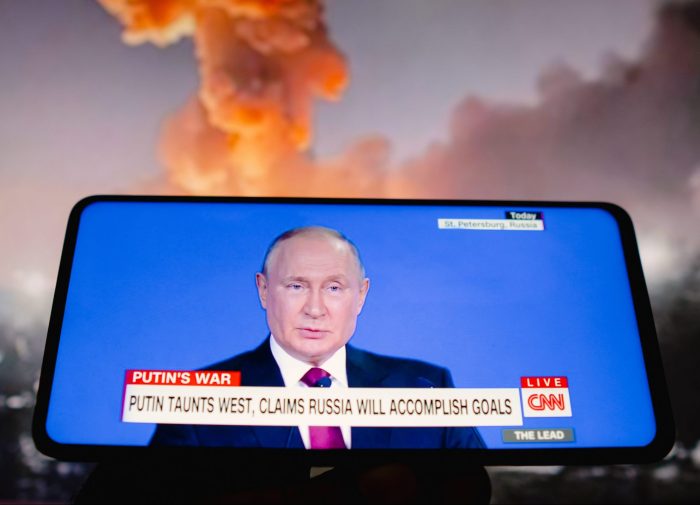
Russia plays a significant role in global energy markets, primarily as a major exporter of oil and natural gas. Its vast reserves and established infrastructure have long positioned it as a key player, influencing global energy prices and supply chains. However, recent geopolitical events have significantly altered this landscape, prompting shifts in both Russia’s energy strategy and the global energy market’s dynamics.
Russia’s Role in Global Oil and Gas Markets
Russia is among the world’s top producers and exporters of oil and natural gas. Its oil exports primarily flow to Europe and Asia, while its natural gas exports are heavily reliant on pipelines to Europe. This concentration of export destinations has created both economic opportunities and geopolitical vulnerabilities for Russia. The country’s reliance on energy revenues significantly impacts its national budget and economic stability. Changes in global demand or disruptions to supply routes can have profound consequences for Russia’s economy. Furthermore, Russia’s energy exports have been a source of significant political leverage in its relationships with various countries.
Impact of Russia’s Energy Policies on Global Energy Prices
Russia’s energy policies, particularly regarding production levels and export quotas, have a demonstrable impact on global energy prices. For instance, decisions to reduce or increase production can create volatility in international markets. Similarly, geopolitical tensions and sanctions imposed on Russia have directly influenced the availability and price of oil and gas globally, leading to price spikes and increased energy insecurity in many countries. This underscores the interconnectedness of global energy markets and the significant influence of a major producer like Russia.
Implications of Energy Source Diversification for Russia
Diversification of energy sources is crucial for Russia’s long-term economic and geopolitical stability. Over-reliance on oil and gas exports exposes the country to fluctuations in global demand and prices, as well as geopolitical risks. Therefore, investing in renewable energy sources and developing alternative export markets are essential steps towards mitigating these vulnerabilities. However, the transition away from fossil fuels presents significant economic and technological challenges for Russia. Success in this area requires substantial investment and a commitment to technological innovation.
Comparison of Russia’s Energy Exports to Other Major Energy-Producing Nations
| Country | Oil Exports (Barrels/day) | Natural Gas Exports (Cubic Meters/year) | Other Energy Exports |
|---|---|---|---|
| Russia | ~7 million (approx.) | ~200 billion (approx.) | Coal, refined petroleum products |
| Saudi Arabia | ~10 million (approx.) | Relatively low | Refined petroleum products |
| United States | ~3 million (approx.) | Relatively low | Liquefied Natural Gas (LNG), refined petroleum products |
| Canada | ~3 million (approx.) | Relatively low | Oil sands products, LNG |
*Note: These figures are approximate and can vary based on the year and source. Precise data requires consulting multiple sources and specifying a particular timeframe.*
Technological Developments
Russia’s technological landscape presents a complex picture, marked by both significant potential and considerable challenges. While possessing a strong foundation in certain scientific and engineering fields, particularly in areas like aerospace and defense, the country faces hurdles in translating this expertise into broader technological advancement and widespread innovation across various sectors. This disparity stems from a confluence of factors, including historical legacies, economic realities, and geopolitical considerations.
Russia’s technological development is characterized by a focus on specific sectors.
Key Areas of Technological Innovation and Investment
Significant investment and innovation efforts are concentrated in areas deemed strategically important to the Russian state. These include aerospace, defense technologies, nuclear energy, and certain aspects of information technology, particularly those related to cybersecurity and data protection. For example, Russia has made strides in developing advanced weaponry systems and space exploration technologies, showcasing capabilities in materials science, propulsion systems, and satellite technology. However, the level of private sector involvement in these areas remains relatively limited compared to Western economies, hindering the speed and scale of innovation. Investment in artificial intelligence and machine learning is also increasing, though the level of development still lags behind leading global players like the United States and China.
Challenges and Opportunities for Technological Advancement in Russia
Several significant challenges hinder Russia’s technological progress. Brain drain, where highly skilled scientists and engineers emigrate in search of better opportunities and working conditions, represents a significant obstacle. Furthermore, limited access to advanced technologies and components due to sanctions and export controls imposed by Western countries significantly restricts the development and adoption of cutting-edge technologies. The relatively low level of venture capital funding and a lack of a robust startup ecosystem further hamper innovation.
However, opportunities exist. Russia possesses a wealth of scientific talent and a history of strong engineering expertise. Focusing on developing domestic technological capabilities, fostering a more dynamic and supportive environment for startups, and promoting greater collaboration between academia, industry, and government could unlock significant potential. Targeted investments in specific technological areas, coupled with reforms to improve the regulatory environment and reduce bureaucratic hurdles, could accelerate technological advancement.
Comparison of Russia’s Technological Capabilities to Other Developed Nations
Compared to leading developed nations like the United States, China, Japan, and several European countries, Russia’s overall technological capabilities lag behind in several key areas. While Russia excels in specific niche technologies, its overall technological breadth and depth are less extensive. This disparity is evident in the relatively lower levels of private sector innovation, less diversified technological base, and lower overall research and development spending as a percentage of GDP. Furthermore, Russia’s integration into global technological supply chains is limited, hindering its access to the latest technologies and knowledge. However, Russia maintains a strong position in certain specialized areas, such as space exploration and certain aspects of military technology, demonstrating the potential for focused technological development in strategically important sectors.
Cultural Landscape
Russia boasts a rich and complex cultural landscape, shaped by centuries of history, diverse ethnicities, and powerful political forces. The interplay between tradition and modernity, national identity and global influences, significantly impacts the artistic expressions and societal norms observed today. Understanding this dynamic is crucial to comprehending the nation’s current state and future trajectory.
The current state of Russian arts and culture is a multifaceted one, characterized by both continuity and change. Traditional art forms, such as classical ballet, opera, and literature, remain highly valued and continue to attract both domestic and international audiences. However, contemporary artists are increasingly experimenting with new forms of expression, reflecting the complexities of modern Russian society. This blend of tradition and innovation is evident across various artistic disciplines.
Impact of Political Events on Artistic Expression, Russia news
Political events have profoundly shaped Russian artistic expression throughout history. Periods of political repression, such as under the Soviet regime, often led to censorship and the promotion of socialist realism, a style that emphasized idealized portrayals of Soviet life and values. Conversely, periods of greater political openness have allowed for a flourishing of artistic experimentation and critical commentary. The collapse of the Soviet Union, for example, led to a surge in artistic freedom, though this freedom has been subject to increasing restrictions in recent years. This ebb and flow of artistic freedom directly reflects the political climate and prevailing ideologies.
Significant Cultural Contributions from Russia
Russia’s contribution to world culture is immense and spans numerous fields. Classical music, for example, owes a significant debt to composers such as Tchaikovsky, Rachmaninoff, and Stravinsky, whose works continue to be performed and celebrated globally. Russian literature, with giants like Tolstoy, Dostoevsky, and Pushkin, has profoundly influenced literary movements worldwide, exploring themes of social justice, morality, and the human condition. Furthermore, Russian contributions extend to ballet (with the Bolshoi Theatre as a prominent example), cinema, and visual arts. These contributions are not merely historical artifacts; they remain vital and influential forces in the global cultural landscape.
Evolution of Russian Cultural Identity
The evolution of Russian cultural identity is a complex process marked by both continuity and transformation. While elements of traditional Russian culture, such as Orthodox Christianity and folk traditions, remain important, the identity has been significantly shaped by historical events, including periods of Mongol rule, Westernization, and the Soviet era. The concept of “Russianness” itself has been subject to various interpretations and reinterpretations throughout history, often influenced by political ideologies and national narratives. The ongoing dialogue between tradition and modernity, nationalism and globalism, continues to define the evolving nature of Russian cultural identity.
Human Rights: Russia News
The human rights situation in Russia has been a subject of significant international concern for many years. While Russia’s constitution guarantees a range of fundamental rights and freedoms, the practical application of these rights remains a complex and often contested issue, marked by persistent challenges and inconsistencies in enforcement. The interplay between government policies, societal norms, and the actions of various actors contributes to a multifaceted picture of human rights in the country.
The Russian government’s approach to human rights is often viewed through the lens of its own national interests and security concerns. This can lead to tensions with international standards and expectations, particularly regarding freedom of expression, assembly, and association. Independent monitoring of human rights is often hampered by restrictive legislation and limited access to information.
Reports of Human Rights Violations and Abuses
Numerous human rights organizations, including Amnesty International and Human Rights Watch, consistently document a wide range of alleged violations in Russia. These reports frequently highlight concerns about restrictions on freedom of speech and the press, including the suppression of dissenting voices and the prosecution of journalists and activists under vaguely defined laws. There are also persistent allegations of torture and ill-treatment of detainees, unfair trials, and limitations on the right to a fair trial. Furthermore, reports detail discrimination based on sexual orientation, gender identity, and religious belief, as well as concerns regarding the rights of ethnic and religious minorities. Specific instances often involve arbitrary arrests, politically motivated prosecutions, and harassment of human rights defenders. These violations often lack adequate investigation and accountability.
The Role of International Organizations in Monitoring Human Rights in Russia
International organizations like the Office of the United Nations High Commissioner for Human Rights (OHCHR) and the Council of Europe play a crucial role in monitoring the human rights situation in Russia. They issue regular reports, conduct investigations, and engage in dialogue with the Russian government to address concerns. However, their access and influence are often limited by the Russian government’s restrictions on their activities. These organizations rely heavily on information gathered from independent sources, including NGOs and individuals, due to limitations on their direct access and the challenges of unbiased reporting within the country. The effectiveness of these international bodies’ efforts is often debated, given the challenges in achieving meaningful change in the face of government resistance.
Key Human Rights Concerns in Russia
The following list Artikels some of the most pressing human rights concerns in Russia:
- Restrictions on freedom of expression, assembly, and association.
- Political persecution and harassment of activists, journalists, and opposition figures.
- Torture and ill-treatment of detainees.
- Unfair trials and lack of due process.
- Discrimination based on sexual orientation, gender identity, and religious belief.
- Human rights abuses in conflict zones, such as Chechnya and Ukraine.
- Restrictions on the activities of human rights organizations and NGOs.
- Limitations on freedom of the press and access to information.
International Relations
Russia’s foreign policy in its near abroad is complex and often characterized by a blend of cooperation and coercion. Understanding its relationships with neighboring countries, particularly Ukraine and Belarus, is crucial for comprehending regional dynamics and predicting future geopolitical developments. The historical context and current state of these relationships significantly impact regional stability and global power balances.
Russia-Ukraine Relations: A History of Shifting Dynamics
The relationship between Russia and Ukraine is deeply intertwined, marked by shared history, cultural ties, and significant geopolitical competition. Following the collapse of the Soviet Union, Ukraine declared independence, a move that Russia initially recognized. However, underlying tensions regarding language, identity, and historical narratives persisted. Russia’s annexation of Crimea in 2014 and its support for separatists in eastern Ukraine dramatically escalated the conflict, leading to a protracted war and significant international condemnation. The current state of the relationship is characterized by intense hostility, with ongoing military conflict and deep mutual distrust. This conflict has had devastating consequences for Ukraine and significantly impacted regional security. The ongoing war represents a major turning point, severely damaging any prospects for normalized relations in the foreseeable future.
Russia-Belarus Relations: A Partnership Under Strain
Russia and Belarus share close historical and cultural ties, forged over centuries. Belarus’s strategic location and its role as a buffer state have made it a key partner for Russia. Following the collapse of the Soviet Union, Belarus initially maintained a degree of independence but gradually became increasingly integrated with Russia through economic and political agreements. The Union State, a formal agreement between the two countries, aimed to create a closer union, but its implementation has been uneven. While Belarus has traditionally relied heavily on Russia for economic support and security guarantees, recent events, including the 2020 Belarusian presidential election and its aftermath, have introduced new strains on the relationship. Although outwardly a close partnership, underlying tensions remain concerning Belarus’s sovereignty and potential future autonomy. The level of Russia’s influence and control over Belarus’s internal affairs is a subject of ongoing debate and observation.
Comparative Analysis of Russian Foreign Policy Approaches
Russia’s approach to Ukraine and Belarus differs significantly, reflecting distinct historical contexts and strategic objectives. Towards Ukraine, Russia has employed a combination of military pressure, economic coercion, and information warfare to undermine its sovereignty and integrate it into Russia’s sphere of influence. This has included direct military intervention, support for separatist groups, and attempts to destabilize the Ukrainian government. In contrast, Russia’s approach to Belarus has been more focused on economic and political integration, using a mix of incentives and pressure to maintain close ties and ensure its alignment with Russian interests. While Russia seeks to maintain tight control over Belarus’s foreign and security policies, it has also provided substantial economic support. The differences in approach reflect Russia’s varying assessments of the threats and opportunities posed by each country, its historical ties, and the level of control it desires to exert. The stark contrast highlights Russia’s flexible approach to foreign policy, tailoring its strategy to specific contexts and national interests.
Impact on Regional Stability
The strained relationships between Russia and both Ukraine and Belarus have significantly destabilized the region. The ongoing conflict in Ukraine has created a humanitarian crisis, displaced millions of people, and caused significant economic disruption. The situation in Belarus also raises concerns about regional stability due to its potential to escalate tensions with neighboring countries and the European Union. The increased military presence in the region, the potential for further escalation of conflicts, and the uncertainty surrounding future developments all contribute to a volatile security environment. These tensions have also exacerbated existing divisions within Europe and led to increased military spending and heightened security concerns among regional actors. The long-term implications for regional stability remain uncertain and depend heavily on the trajectory of the conflict in Ukraine and the evolving dynamics of the Russia-Belarus relationship.
Outcome Summary
Understanding Russia requires a multi-faceted approach, acknowledging the interplay between its economic strength, geopolitical ambitions, and internal social fabric. This overview has highlighted the complexities inherent in analyzing Russia’s current state, emphasizing the need for continued observation and critical analysis. The ongoing evolution of Russia’s domestic and international landscape demands sustained attention to fully grasp its impact on the global stage.


